Modern Shift in Steel Cabins Construction Industry
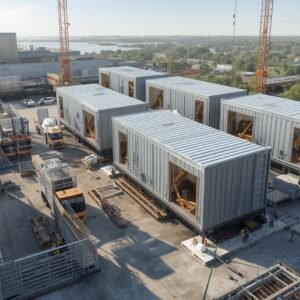
The construction sector is rapidly evolving toward faster, more flexible, and cost-efficient building systems, and this transformation has significantly increased the demand for Steel Cabins. These structures are becoming an essential part of modern infrastructure projects because they provide quick installation, durability, and mobility for different industrial applications. Unlike traditional construction methods that require months of planning and execution, Steel Cabins offer a prefabricated alternative that reduces time and labor costs while maintaining high structural strength. This shift has encouraged contractors to adopt modular solutions such as modular steel shelters, which are widely used in temporary project setups.
The growing popularity of Steel Cabins is also linked to their ability to perform efficiently in remote and harsh environments. Industries such as construction, mining, and oil exploration rely heavily on such structures because they can be transported and installed without complex procedures. Another advantage is their adaptability, which allows them to be customized according to specific project needs. Many companies now prefer portable steel rooms because they offer flexibility for both short-term and long-term use. This makes Steel Cabins a strategic investment for organizations looking to optimize infrastructure costs.
Additionally, modern engineering practices are focusing on sustainability, and Steel Cabins contribute positively by reducing material waste and promoting reusable construction systems. With increasing demand for modular infrastructure, solutions like prefab site offices are becoming a standard choice in construction zones. These developments indicate a strong future for steel-based modular systems as industries continue to prioritize speed, efficiency, and environmental responsibility.
Structural Design Variations in Modular Cabin Systems
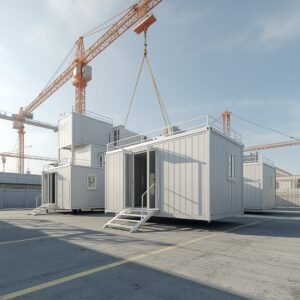
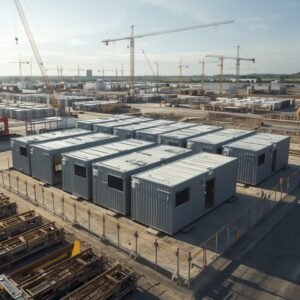
The versatility of modular construction allows Steel Cabins to be designed in multiple configurations depending on operational requirements. These include site offices, storage units, accommodation blocks, and security rooms. One of the most efficient options in this category is temporary steel structures, which are widely used in construction and industrial projects due to their fast deployment and cost efficiency. These structures provide reliable functionality while maintaining portability and ease of relocation.
Another widely used solution is industrial cabin units, which are specifically designed for heavy-duty environments. These units are built using reinforced steel frames to ensure durability and long service life. The demand for Steel Cabins in this category has increased because they can withstand harsh weather conditions and continuous usage. In addition, companies are increasingly adopting mobile steel cabins for projects that require frequent relocation of operational facilities.
Modern modular design also emphasizes customization and scalability. Engineers can modify layouts, add insulation, and integrate electrical systems based on project needs. This flexibility makes Steel Cabins suitable for both small-scale and large-scale applications. The use of steel office modules further enhances efficiency in construction zones by providing organized and functional workspace environments.
Industrial Applications and Operational Efficiency Benefits
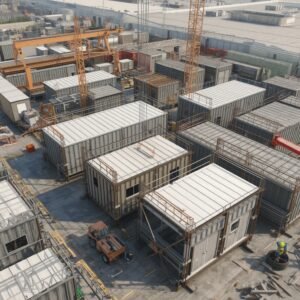
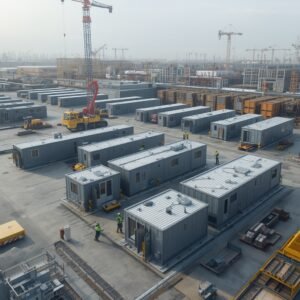
In industrial sectors, efficiency and reliability are critical, and Steel Cabins play a major role in improving operational performance. These structures are widely used in construction sites, infrastructure development projects, and remote work environments. The introduction of construction site cabins has made it easier for companies to manage workforce operations effectively while maintaining safety and comfort standards.
One of the key advantages of Steel Cabins is their ability to provide instant setup solutions. Instead of waiting months for permanent buildings, companies can deploy ready made cabins within a short time frame. This significantly improves project timelines and reduces downtime. Industries also benefit from modular work shelters, which are designed to support administrative and technical operations in field environments.
The flexibility of Steel Cabins extends to multiple use cases such as worker accommodation, equipment storage, and control rooms. This multi-functionality reduces the need for separate structures, optimizing both space and cost. Additionally, temporary industrial cabin systems are widely used in large-scale projects because they can be easily expanded or relocated as required. This ensures continuous operational efficiency across different phases of a project.
Cost Efficiency, Durability Strength, and Market Expansion
One of the most important reasons behind the rising demand for Steel Cabins is their cost efficiency. These structures minimize construction expenses by reducing labor requirements and shortening project timelines. The use of affordable modular steel shelters has become increasingly popular among contractors who need budget-friendly yet durable solutions for temporary infrastructure.
Durability is another key advantage of Steel Cabins, as they are built using high-strength steel materials that ensure long-term performance. These structures can withstand extreme environmental conditions, including heat, rain, and wind. Many companies now prefer fast install cabin structures because they combine strength with quick deployment capabilities, making them ideal for time-sensitive projects.
Market demand for modular construction is expanding globally, especially in developing regions where infrastructure growth is rapid. The popularity of prefabricated site office units is increasing because they offer a balance of affordability and functionality. Additionally, durable portable office cabins are widely used in industries that require frequent relocation of operations. This growing market trend highlights the increasing importance of modular steel solutions in modern construction practices.
Challenges, Limitations, and Future Innovation Trends
Despite their advantages, Steel Cabins also face certain challenges that must be addressed for better performance. One of the main issues is insulation, as steel structures require proper thermal protection to maintain comfortable indoor environments. Without adequate insulation, temperature regulation can become difficult in extreme climates. Another challenge is transportation, especially for larger units like lightweight steel cabin units, which may require specialized equipment for relocation.
Initial investment cost can also be a limitation for some small-scale projects. While Steel Cabins offer long-term savings, the upfront cost is sometimes higher compared to temporary wooden structures. However, advancements in manufacturing are helping reduce production costs and improve affordability. The development of modular construction cabin systems is also enhancing design efficiency and reducing installation complexity.
Looking toward the future, innovation in modular construction is expected to bring significant improvements. Smart design integration, energy-efficient materials, and improved insulation technologies will enhance the performance of Steel Cabins. The demand for portable steel cabin solutions will continue to grow as industries shift toward sustainable and flexible infrastructure models. These advancements indicate that steel-based modular systems will remain a core part of modern construction evolution.