Modern Evolution of Prefabricated Hygiene Infrastructure Systems
Introduction to Rapid Urban Sanitation Development
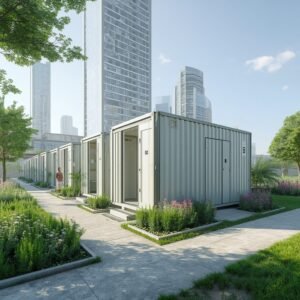
In modern urban expansion, especially in fast-developing regions like Dubai, the demand for efficient hygiene infrastructure has increased significantly due to construction growth and temporary settlement needs. Sanitation Units are now considered a core requirement in large-scale projects where permanent plumbing systems are not yet established. The growing dependency on Sanitation Units reflects how construction sites, labor camps, and remote industrial zones prioritize mobility and hygiene efficiency over traditional restroom setups. These systems are no longer basic structures; instead, they now include advanced engineering features such as water-saving mechanisms, odor control systems, and modular portability. A major innovation supporting this transformation is compact hygiene container solutions, which are designed for quick deployment and flexible relocation in different working environments. These systems help reduce installation time and improve operational productivity across multiple industries. In addition, they contribute to environmental sustainability by minimizing water wastage and supporting controlled waste management processes. As cities expand vertically and horizontally, temporary infrastructure has become essential for maintaining worker safety and hygiene standards. The adoption of modular construction practices is also reshaping how infrastructure is designed, allowing faster project execution with reduced costs. Overall, Sanitation Units continue to play a vital role in shaping modern hygiene ecosystems, and Sanitation Units are increasingly being integrated into smart urban planning strategies that prioritize efficiency, mobility, and sustainability in one system.

Modular Engineering in Container-Based Hygiene Systems
The construction industry is rapidly shifting toward flexible infrastructure models, where advanced portable washroom container systems for construction sites are becoming essential for maintaining sanitation standards in dynamic environments. These systems ensure that Sanitation Units can be deployed quickly in areas where permanent facilities are not available, improving worker health and operational efficiency. The increasing use of Sanitation Units highlights the importance of modular design in supporting fast-paced construction and industrial projects. One of the most efficient innovations in this category is hygiene container units with integrated plumbing systems, which allow seamless water supply and waste disposal without requiring complex installation processes. These units are designed for durability and can withstand extreme environmental conditions such as heat, dust, and heavy usage. Their modular nature allows developers to expand or reduce capacity based on project requirements, making them highly flexible and cost-efficient. Another advantage of these systems is their ability to maintain hygiene compliance in regulated industrial zones. By integrating prefabricated components, construction teams can significantly reduce downtime and improve site organization. As urbanization continues to accelerate, Sanitation Units are becoming a standard requirement in infrastructure planning, while Sanitation Units are also evolving to include smart monitoring and automated maintenance systems that enhance usability and reduce operational effort.
Industrial Deployment and Portable Hygiene Infrastructure
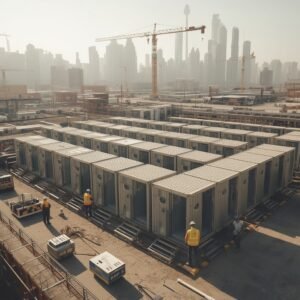
The demand for eco optimized mobile sanitation container infrastructure solutions is increasing across industries such as construction, mining, and oil exploration, where remote operations require reliable hygiene systems. These solutions ensure that Sanitation Units can function efficiently in challenging environments while maintaining sustainability standards. The role of Sanitation Units in industrial deployment is critical because they support workforce health and productivity in locations where traditional infrastructure is not feasible. A major development in this sector is the introduction of modular restroom pods for industrial workforce accommodation, which provide compact and highly functional sanitation spaces for workers in temporary setups. These pods are designed for easy transportation, fast installation, and long-term durability, making them suitable for large-scale industrial applications. Their independent operational capability reduces dependency on external infrastructure, significantly lowering setup costs and logistical complexity. Additionally, they are engineered with eco-friendly systems that minimize water usage and improve waste processing efficiency. As industries expand into remote regions, the importance of scalable hygiene solutions continues to grow. In this context, Sanitation Units serve as a foundational infrastructure element, while Sanitation Units also support compliance with international health and safety regulations, ensuring that industrial operations remain both efficient and environmentally responsible.

Smart Prefabrication and Advanced Sanitation Design Models
The introduction of next generation modular sanitation deployment systems for urban projects has transformed how modern infrastructure is planned and executed. These systems enable developers to install fully functional sanitation setups within hours, reducing construction delays and improving project efficiency. With Sanitation Units integrated into prefabricated systems, urban projects can maintain hygiene standards even during early construction phases. The growing reliance on Sanitation Units reflects a shift toward smarter construction methods that prioritize speed, flexibility, and sustainability. One of the key components in this transformation is portable toilet and bathroom container modules, which offer scalable solutions for both temporary and permanent installations. These modules are designed with advanced engineering features such as ventilation systems, water-efficient fixtures, and modular connectivity options. Their standardized design ensures consistent quality and simplifies maintenance processes across different project sites. Additionally, these systems support rapid expansion or reduction based on changing project demands, making them highly adaptable. As urban infrastructure continues to grow, prefabricated sanitation solutions are becoming essential for efficient project management. The integration of Sanitation Units into smart building systems ensures improved hygiene control, while Sanitation Units also contribute to reducing environmental impact through optimized resource usage and sustainable design practices.
Sustainable Infrastructure and Future Hygiene Systems
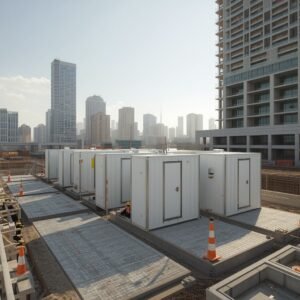
The future of urban development is strongly influenced by sustainable prefabricated hygiene container ecosystems for large scale developments, which aim to combine environmental responsibility with operational efficiency. These systems ensure that Sanitation Units operate with minimal environmental impact while maintaining high hygiene standards in both urban and industrial environments. The increasing use of Sanitation Units reflects a global shift toward eco-conscious infrastructure planning that prioritizes resource efficiency and waste reduction. A key innovation in this area is smart container based restroom and sanitation solutions, which incorporate automation, sensor-based water control, and energy-efficient systems to enhance performance and reduce operational costs. These advanced systems are designed to be scalable, allowing easy adaptation for small or large projects depending on demand. Their modular structure ensures flexibility in deployment and long-term usability across different sectors including construction, disaster relief, and temporary housing. As cities continue to grow and environmental concerns become more critical, sustainable sanitation systems will play an increasingly important role in infrastructure development. The integration of Sanitation Units into future-ready urban planning ensures improved hygiene management, while Sanitation Units will continue evolving into smarter, greener, and more efficient systems that align with global sustainability goals.