Natural Escape Through Rustic Living
A Wooden Cabin represents a peaceful lifestyle where nature and comfort work together to create relaxing environments. Many people choose a Wooden Cabin because it offers a calm atmosphere away from city noise and crowded surroundings. These structures are no longer limited to forests or mountain areas because modern construction methods allow cabins to fit many landscapes and lifestyle needs. Buyers interested in personalized projects often search for custom log retreat, which is a low-competition bidimensional keyword connected with tailored cabin services. The growing interest in wooden housing has increased demand among homeowners, travelers, and investors. A Wooden Cabin provides visual beauty through natural textures, exposed beams, and earthy interiors while also supporting practical living requirements. Families use cabins as holiday houses, remote work locations, and weekend retreats. Tourism businesses also build cabin resorts because visitors enjoy private spaces surrounded by greenery. The charm of wooden architecture continues to attract customers seeking authentic experiences. Modern cabin projects include energy-efficient designs, larger windows, and smart interior layouts that improve comfort without removing rustic appeal. A Wooden Cabin creates emotional value because people often connect natural surroundings with relaxation and balance. Investors appreciate the rental opportunities because cabins perform well in eco-tourism markets and seasonal travel destinations. Designers constantly develop innovative styles that combine tradition with modern living standards. The flexibility of cabin architecture allows owners to create luxury retreats, compact homes, and countryside accommodations. This rising popularity proves that cabin living remains important in modern housing trends. A Wooden Cabin therefore stands as more than a building because it reflects peaceful living, natural beauty, and practical use. People continue choosing these spaces because they deliver comfort, privacy, and memorable experiences. The timeless appeal of wood construction ensures that cabin demand will remain strong in future markets and tourism industries.
Varieties of Rustic Shelter Designs
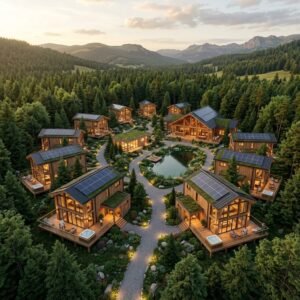
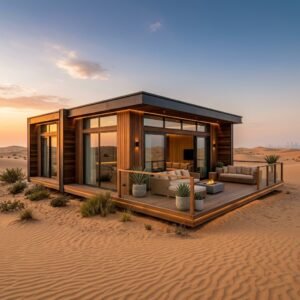
Different styles of a Wooden Cabin exist to match specific needs, locations, and customer preferences. A Wooden Cabin designed for mountain regions often includes stronger insulation and weather-resistant materials, while lakeside cabins focus more on scenic views and open spaces. Modern developers increasingly promote eco friendly wooden cabin designs for resorts, a low-competition multidimensional keyword related to sustainable hospitality projects. Many tourism businesses now use eco friendly wooden cabin designs for resorts because travelers prefer environmentally responsible accommodations. Traditional log cabins remain popular due to their classic appearance and natural warmth. Compact cabins attract buyers who want affordable living spaces, while luxury models include spa rooms, large windows, and premium interiors. Portable cabins have also entered the market because they provide flexible installation options. Small vacation cabins work well for temporary stays, creative studios, and remote offices. Larger family cabins include multiple rooms and outdoor decks for social gatherings. The construction process varies depending on climate, available materials, and customer expectations. Some cabins focus on minimal living while others prioritize comfort and elegance. A Wooden Cabin can easily adapt to different uses including tourism, residential housing, and investment projects. Builders often include smart systems, energy-saving technology, and eco-friendly materials to improve functionality. Modern architecture has expanded cabin possibilities beyond traditional concepts. The demand for personalized layouts continues growing because buyers want unique spaces that match their lifestyles. A Wooden Cabin remains attractive because it offers flexibility without losing natural charm. These different styles ensure that cabins stay relevant across residential markets, travel industries, and sustainable construction sectors around the world today.
Purpose and Core Value of Cabin Living
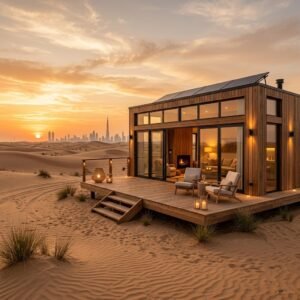
The main idea behind a Wooden Cabin is to combine simplicity, comfort, and natural surroundings into one practical living space. A Wooden Cabin allows people to disconnect from busy environments and enjoy peaceful moments close to nature. Designers frequently use small forest cabin interior ideas, a low-competition multidimensional keyword connected with compact and functional spaces. Modern planners apply small forest cabin interior ideas because they help maximize comfort within limited areas. Interior layouts usually include open shelves, natural lighting, foldable furniture, and efficient storage systems. These features make cabins suitable for families, travelers, and remote workers. A Wooden Cabin supports different activities including reading, creative work, outdoor recreation, and weekend relaxation. Natural materials create warm environments that improve emotional comfort and reduce stress. Many people believe wooden spaces increase focus and help maintain balance in daily life. Tourism businesses also use cabins because visitors seek authentic experiences instead of traditional hotels. Designers continue improving layouts through multifunctional spaces and modern technology. Smart lighting systems, energy-efficient heating, and eco-friendly materials increase convenience while maintaining rustic character. The popularity of cabins continues rising because people now value experiences more than material possessions. A Wooden Cabin represents a lifestyle choice rather than simple accommodation. It combines beauty with functionality and creates environments where people feel connected to nature. The ability to serve residential, commercial, and recreational purposes makes cabins highly versatile. This practical and emotional value explains why cabin living remains attractive across many regions and customer groups. A Wooden Cabin therefore continues influencing modern architecture and sustainable tourism markets successfully.
Benefits and Challenges of Wooden Structures
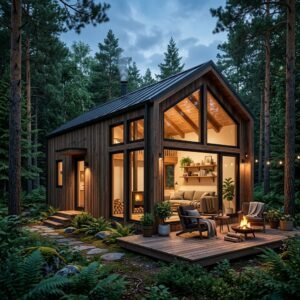
A Wooden Cabin offers many positive features but also includes some limitations that owners should understand before investment. One major advantage of a Wooden Cabin is thermal performance because wood naturally helps maintain indoor temperatures throughout different seasons. This improves comfort and may reduce energy usage. Natural textures create relaxing interiors that attract families, tourists, and investors. Many hospitality businesses develop cabin resorts because visitors enjoy peaceful environments. The keyword lodges is often connected with larger cabin projects designed for tourism and luxury accommodation. Premium lodges attract guests seeking scenic locations and private experiences. A Wooden Cabin also provides strong rental opportunities because countryside tourism continues growing worldwide. Flexible layouts allow cabins to function as homes, offices, studios, and vacation rentals. Despite these advantages, some challenges remain important. Weather exposure can affect wooden surfaces when maintenance is ignored. Moisture, insects, and temperature changes require regular inspections and protective treatments. Construction costs may rise depending on materials and location. Smaller cabins sometimes create storage issues when layouts are poorly planned. Strong foundations, ventilation systems, and water drainage become necessary in regions with heavy rain or snow. Proper care greatly improves durability and lifespan. Owners who maintain their properties usually enjoy long-term benefits and stable market value. A Wooden Cabin demands attention, but many people believe the rewards exceed maintenance efforts. The combination of comfort, investment value, and natural appeal keeps cabins popular despite certain limitations. A Wooden Cabin therefore remains one of the most desirable choices for rustic living and eco-friendly tourism developments globally.
Final View on the Future of Cabin Spaces
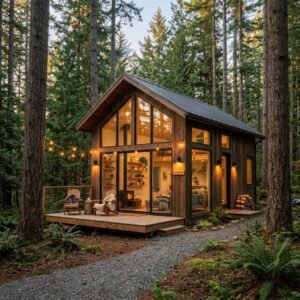
The future of a Wooden Cabin industry looks promising because people increasingly prefer natural environments and sustainable lifestyles. A Wooden Cabin now serves multiple purposes including residential housing, tourism businesses, wellness retreats, and investment projects. Buyers interested in customized solutions often explore custom log retreat, while eco-focused customers search for eco friendly wooden cabin designs for resorts to support sustainable living goals. These low-competition keywords reflect changing market trends and customer expectations. Modern cabins include smart technology, open interiors, and environmentally friendly materials that improve both appearance and efficiency. The tourism industry continues supporting cabin demand because travelers seek authentic experiences connected with nature. Rental platforms have also increased visibility for cabin properties, creating additional income opportunities for owners. Designers continue introducing new concepts that balance traditional craftsmanship with modern comfort. A Wooden Cabin provides emotional benefits because natural surroundings help people relax and disconnect from stressful routines. Families enjoy private retreats while investors appreciate long-term business potential. Sustainable construction methods further strengthen cabin popularity because environmentally conscious buyers prefer responsible housing options. Market growth has encouraged service providers to offer specialized designs, customized interiors, and luxury cabin experiences. A Wooden Cabin therefore remains important in both residential and hospitality sectors. Its flexibility allows adaptation to changing lifestyles and consumer preferences. The timeless beauty of wood, combined with practical functionality, ensures continued relevance for future generations. People seeking peace, comfort, and nature-based experiences will likely continue choosing cabins for many years. A Wooden Cabin ultimately represents balance between modern living and natural simplicity while supporting tourism, investment, and lifestyle development worldwide.