
Emerging Role of Repurposed Shipping Units in Modern Industry
In today’s global trade and industrial ecosystem, the demand for cost-effective and sustainable infrastructure has significantly increased. One of the most practical solutions emerging from this shift is the reuse of shipping assets, which were originally designed for long-distance cargo transportation. These structures are now being repurposed for multiple applications such as storage, modular construction, and temporary facilities. The growing interest in Used Containers reflects how industries are adapting to economic pressures while also considering environmental responsibility. Businesses across logistics, construction, and retail sectors are increasingly investing in Used Containers due to their durability, affordability, and adaptability. Instead of manufacturing new materials, companies are now exploring ways to extend the lifecycle of existing resources, which reduces waste and supports circular economy principles.
A key factor driving this transformation is the availability of specialized container handling service providers who inspect, transport, and prepare these units for secondary use. These services ensure that containers meet structural safety standards before they are reused in different environments. From mobile offices to storage warehouses, the versatility of these containers continues to expand. Their steel-based construction allows them to withstand harsh weather conditions, making them suitable for long-term applications in both urban and remote areas. Moreover, industries are recognizing that investing in repurposed infrastructure not only reduces costs but also contributes to environmental sustainability.
The rise in demand is also linked to the increasing awareness of sustainable development goals worldwide. Companies are under pressure to reduce their carbon footprint, and reusing industrial materials is one of the most effective strategies. As a result, Used Containers are becoming a core part of modern infrastructure planning. Their ability to be modified, stacked, and transported easily makes them highly practical. Over time, this trend is expected to grow further as more industries adopt flexible and eco-conscious solutions built around reuse and efficiency.
Structural Variations and Market Categories
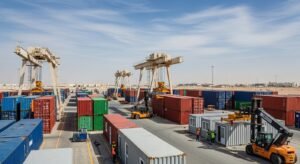
The container industry is divided into several functional categories depending on condition, modification level, and intended application. One major category includes refurbished units processed under the industrial shipping container reuse system, where damaged structures are repaired and restored for secondary use. The industrial shipping container reuse system ensures that containers maintain structural integrity while extending their operational lifespan. Another category involves modified units that are redesigned for commercial purposes such as cafes, offices, and mobile shops. These variations highlight how adaptable the industry has become in meeting modern business needs.
Within this system, trade and circulation are heavily influenced by secondary markets where buying and selling of used units takes place. The concept of logistics plays a critical role here, ensuring efficient movement and distribution of containers across regions. Proper coordination in logistics helps maintain supply balance and reduces delays in delivery. These structured systems allow businesses to acquire affordable infrastructure solutions without investing in new production. Overall, the diversity in container types demonstrates the flexibility of the market and its ability to serve different industrial and commercial demands effectively.
Functional Purpose and System Development
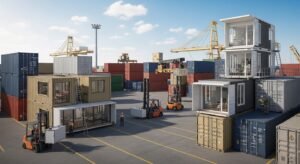
The central idea behind repurposing industrial shipping units is to create a sustainable loop where materials continue to provide value beyond their initial use. A growing innovation in this field is the industrial shipping container reuse system, which focuses on transforming old containers into functional assets. The industrial shipping container reuse system supports environmental conservation by reducing waste and minimizing the need for new manufacturing. This approach has become a foundation for modern sustainable development practices.
Another important aspect is efficiency in transportation and storage planning. The concept of storage plays a major role in determining how these containers are utilized in real-world applications. The storage capability of these units makes them suitable for industries such as agriculture, construction, and retail distribution. Additionally, the industrial shipping container reuse system encourages innovation in modular design, allowing containers to be stacked or modified according to project requirements. Through this system, businesses are able to achieve flexibility, cost savings, and environmental benefits simultaneously, making it a highly efficient solution in today’s industrial landscape.

Economic and Environmental Evaluation
From an economic perspective, repurposed containers offer significant cost advantages compared to traditional construction materials. Businesses benefit from reduced investment while gaining access to durable infrastructure. The term Used Containers represents this affordability and reliability in practical applications. Another major advantage is the reusability factor, which allows industries to extend asset lifecycles and reduce operational expenses. However, despite these benefits, certain challenges still exist.
One of the key concerns is the quality variation among available units. Some containers require extensive repairs before they can be reused safely. In addition, customization costs can increase depending on the complexity of modifications. The concept of resale also influences market value, as containers with better condition fetch higher prices in secondary markets. Another resale factor includes market fluctuations, which can affect pricing stability. Despite these challenges, the benefits often outweigh the drawbacks, especially when businesses focus on long-term sustainability and efficiency. Environmental advantages also remain significant, as reuse reduces industrial waste and supports eco-friendly practices across multiple sectors.
Industry Benefits and Practical Applications
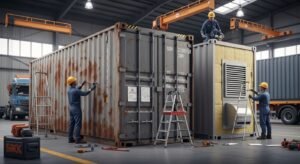
The use of repurposed containers has expanded across multiple industries, including construction, agriculture, and retail. These units provide flexible solutions for temporary and permanent structures. One of the most valuable advantages is their ability to function as mobile storage systems, offering secure space for goods and equipment. Their strong steel structure ensures durability even in extreme environmental conditions.
Another important benefit is scalability, as containers can be easily stacked or combined to create larger spaces. This makes them ideal for businesses requiring quick infrastructure deployment. In rural and urban development projects, these units are increasingly being used for schools, clinics, and offices. Their adaptability has made them a preferred choice for startups and large organizations alike. The growing acceptance of such solutions indicates a shift toward modular construction methods that prioritize efficiency and sustainability.
Challenges and Limitations in Usage
Despite their advantages, repurposed Used Containers also come with certain limitations that need careful consideration. Structural wear and tear is a common issue, especially in units that have been used extensively in harsh environments. Maintenance costs can increase depending on the level of damage. Additionally, insulation and ventilation modifications may be required to make them suitable for human occupancy.
Regulatory compliance is another challenge, as building codes vary across regions. Businesses must ensure that modified containers meet safety standards before deployment. Transportation costs can also affect overall affordability, particularly for long-distance relocation. However, continuous improvements in refurbishment techniques are helping to reduce these challenges over time. The industry is gradually evolving to address these limitations through better design, inspection, and processing methods.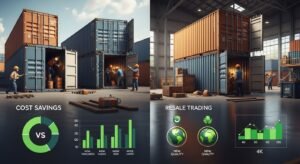
Industrial Adaptation and Market Growth
The global market for repurposed shipping units continues to grow as industries adopt more sustainable infrastructure models. Businesses are increasingly relying on flexible construction methods that allow rapid deployment and cost efficiency. This shift is supported by technological advancements in modification and design processes.
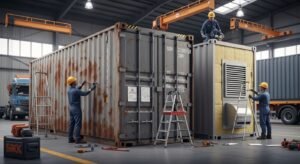
Urban development projects are now incorporating Used container based structures for housing and commercial use. This trend reflects a broader movement toward modular architecture. Governments and private organizations are also investing in such solutions to reduce environmental impact and improve resource utilization. The future of this industry looks promising as innovation continues to expand its applications across different sectors.
Final Outlook and Sustainability Impact
The future of industrial reuse systems is closely tied to sustainability and economic efficiency. Businesses are increasingly adopting models that prioritize resource optimization and environmental responsibility. The use of Used Containers markets ensures continuous circulation of valuable assets, reducing waste and maximizing utility. In addition, the integration of a container handling service improves operational efficiency by ensuring proper inspection and redistribution of units.
The role of Used Containers in modern infrastructure continues to expand as industries seek flexible and cost-effective solutions. Their ability to adapt to various applications makes them essential in both urban and rural development. Furthermore, the industrial shipping container reuse system plays a crucial role in shaping sustainable industrial practices by promoting reuse over production.
Another key factor contributing to this transformation is reuse, which remains at the core of environmental conservation efforts. As global demand for sustainable solutions increases, the container industry is expected to evolve further, offering innovative and eco-friendly alternatives for future infrastructure needs.