[ez-toc]
Toilet Unit | Best Affordable Toilet Unit | Modern & Portable Sanitation Solutions
1. Discover the Right Toilet Unit for Your Needs:
Access to clean and comfortable sanitation is essential for homes, businesses, construction sites, and public spaces. Whether you are developing a residential property, managing a commercial project, or organising an outdoor event, choosing the right toilet facilities can make a significant difference to convenience, hygiene, and everyday operations. Modern sanitation solutions offer practical options for locations where permanent bathroom facilities are unavailable or where additional capacity is required. A Toilet unit is a dedicated sanitation structure designed to provide convenient toilet facilities in different environments. Depending on the intended application, it may be installed as a permanent building, a prefabricated structure, or a portable facility that can be relocated when necessary. Available options vary in size, construction materials, plumbing arrangements, ventilation, and interior fittings. Businesses and property owners often look for sanitation facilities that are durable, easy to maintain, and suitable for their available space. Prefabricated toilet structures can be particularly useful because many components are manufactured before delivery, helping organise installation and reduce certain on-site construction activities. As a sanitation solutions provider, we help customers explore suitable designs, compare construction options, and identify facilities that match their project requirements. Our approach focuses on practical planning, reliable materials, appropriate hygiene features, and professional installation. If you need sanitation facilities for your property or business, click to contact our team and discuss your requirements. We can help you explore suitable options according to your location, available space, intended use, and budget.
2. Understanding Toilet Units Features, Designs, and Applications:
Modern sanitation structures are available in several configurations to meet the needs of different customers. Understanding these options helps buyers select facilities that offer the right balance of convenience, durability, maintenance, and cost. A prefabricated toilet structure is generally manufactured using materials such as steel, insulated panels, fibre-reinforced materials, or other suitable construction components. The exact specifications depend on the manufacturer and the intended environment. Some structures are designed for permanent installation, while others can be transported to different locations when required.
Different Types of Sanitation Facilities:
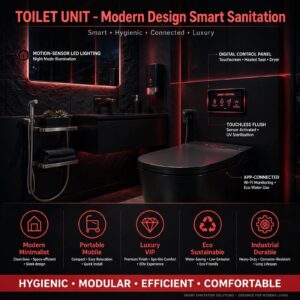
Permanent toilet facilities are commonly installed in residential developments, offices, factories, schools, and commercial buildings. These structures can be connected to established plumbing and drainage systems, subject to site conditions and applicable regulations. Portable sanitation facilities are useful for outdoor events, temporary work locations, construction projects, and locations where conventional bathrooms are not readily available. Their suitability depends on the expected number of users, servicing arrangements, access, and waste-management requirements. Prefabricated bathroom structures can also combine toilets, washbasins, lighting, ventilation, and other fittings in one organised space. Some designs include separate compartments to improve privacy and support different operational requirements.
Important Design and Construction Features:
A well-designed sanitation facility should provide adequate space, privacy, effective ventilation, suitable lighting, and surfaces that can be cleaned easily. Slip-resistant flooring, durable fittings, and properly sealed joints can also contribute to safety and long-term usability. Material selection deserves careful consideration. Steel structures may offer strength, while insulated panels can help improve indoor comfort. The appropriate choice depends on climate, expected usage, maintenance requirements, and the location where the facility will be installed. Accessibility is another important factor. Depending on the project, facilities may need wider entrances, additional turning space, handrails, and other features that support users with mobility requirements. Our service team helps customers review these design considerations before selecting a sanitation solution. By understanding your requirements in advance, we aim to recommend an option that suits the intended application and provides practical value.
3. Practical Overview Planning, Installation, and Maintenance:
Selecting suitable sanitation facilities involves more than choosing an attractive design. Proper planning helps ensure that the structure fits the site, supports the expected number of users, and meets relevant hygiene and safety requirements.
Step 1: Identify Your Project Requirements:
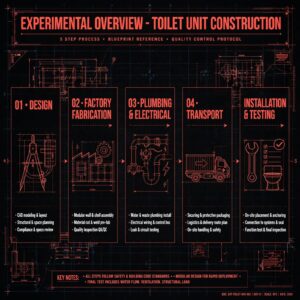
Begin by determining where the facility will be used and how frequently it will be needed. A construction site may require durable facilities for workers, while a commercial property may need a permanent solution designed for regular public use. Consider the number of users, available installation space, expected operating period, and preferred layout. These details help the provider determine the appropriate size, number of compartments, and type of construction.
Step 2: Select Suitable Materials and Fittings:
The materials should be appropriate for the environment and intended usage. Buyers should ask about corrosion resistance, insulation, moisture protection, flooring, doors, ventilation, and the expected maintenance schedule. It is also important to review the included fittings. Confirm whether the quotation covers toilets, washbasins, taps, lighting, plumbing connections, internal partitions, and other required accessories. Clear specifications help prevent misunderstandings during installation.
Step 3: Prepare the Installation Site:
Before delivery, assess the ground conditions, drainage arrangements, access routes, and available utility connections. Permanent facilities may require foundations and connections to approved water and wastewater systems. Temporary facilities may have different servicing requirements depending on their design. Waste collection, safe disposal, cleaning schedules, and access for maintenance vehicles should be arranged before the facility becomes operational. Building approvals, plumbing requirements, and environmental regulations vary by location. Customers should confirm the applicable requirements with local authorities and qualified professionals before proceeding.
Step 4: Arrange Professional Installation:
Once the design and site preparations are approved, the structure can be delivered and installed according to the agreed specifications. Installation may involve positioning the unit, securing the structure, connecting utilities, sealing joints, and checking the operation of fixtures. The overall schedule depends on the size of the structure, delivery arrangements, site accessibility, and complexity of the installation. Prefabricated construction may reduce some on-site work, but the actual completion time depends on the individual project.
Step 5: Maintain Hygiene and Performance:
Regular cleaning and inspection are essential for keeping sanitation facilities safe and comfortable. Check plumbing connections, taps, flush systems, drainage, ventilation, lighting, and door fittings periodically. A suitable cleaning schedule should reflect the number of users and the operating environment. Waste should be handled safely, and any leaks, blockages, or damaged components should be addressed promptly. Our team assists customers in understanding installation requirements, evaluating specifications, and planning suitable sanitation facilities. If you need a solution for your next project, click to contact our team today to discuss your preferred design, location, quantity, and budget.
4. Making an Informed Choice for Your Toilet Unit:
Every sanitation solution has benefits and limitations. Evaluating both sides helps property owners and businesses select facilities that suit their operational needs rather than relying only on the initial purchase price.
Key Advantages of Modern Sanitation Structures:
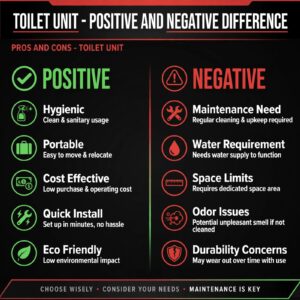
Convenient Installation: Prefabricated components can be manufactured before delivery, potentially reducing the amount of work required at the installation site. This can be helpful for projects operating under tight schedules.
Flexible Applications: These facilities can serve construction sites, offices, commercial properties, outdoor events, educational institutions, and various other locations. The design can be selected according to the intended use.
Durable Construction Options: Appropriate materials and quality installation can help structures withstand regular use and environmental exposure. Actual durability depends on material specifications, workmanship, and maintenance.
Organised Budgeting: A detailed quotation allows customers to understand the structure’s cost and the services included. Comparing complete quotations can make it easier to evaluate different suppliers.
Practical Maintenance: Suitable flooring, accessible plumbing components, and easy-to-clean surfaces can simplify routine cleaning and inspections.
Potential Disadvantages to Consider:
Initial Investment: High-quality materials, plumbing fittings, transportation, foundations, and installation can increase the overall cost. Customers should compare the complete project expense rather than the advertised starting price.
Space and Transportation Requirements: Larger structures may require suitable access roads, delivery vehicles, and lifting equipment. Restricted sites can create additional installation challenges.
Utility and Waste-Management Needs: Permanent facilities generally require suitable water supply and wastewater arrangements. Temporary facilities also need appropriate cleaning, servicing, and waste-disposal plans.
Ongoing Maintenance: Frequent use can lead to worn fittings, drainage problems, and cleaning requirements. Regular inspections and timely repairs are necessary to maintain hygiene and functionality.
Location-Specific Restrictions: Some installations may require permits, inspections, or compliance with local construction and sanitation standards. These requirements should be checked before purchasing. When comparing a Toilet unit with alternative sanitation options, consider installation costs, expected lifespan, maintenance, accessibility, hygiene, and the number of users. A suitable solution should meet practical requirements without creating unnecessary long-term expenses.
5. Choose a Reliable Sanitation Solution:
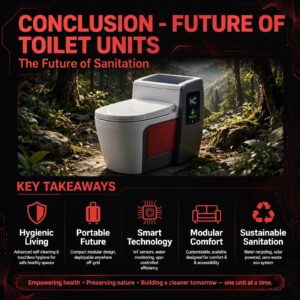
Modern sanitation facilities provide practical options for property owners, contractors, businesses, and organisations that need dependable toilet facilities. With different construction materials, layouts, and installation arrangements available, customers can explore solutions for permanent buildings as well as temporary projects. Choosing the right structure begins with understanding the intended use, available space, expected number of users, and budget. Buyers should also review material quality, plumbing arrangements, ventilation, accessibility, installation responsibilities, and maintenance requirements before making a final decision. Professional planning can help reduce installation difficulties and ensure that the selected facility is appropriate for the site. It is equally important to confirm local approval requirements and establish reliable cleaning and waste-management arrangements. Our team provides sanitation construction solutions to help customers evaluate available options and identify suitable facilities for their projects. We focus on practical designs, clear specifications, and installation planning based on individual requirements. Whether you need facilities for a commercial property, construction site, residential development, or outdoor event, taking time to compare suitable options can help you make a more informed investment. If you are ready to arrange a Toilet unit for your next project, contact our team to discuss your requirements and request a quotation. We can help you explore suitable designs, understand installation needs, and plan a sanitation solution that supports cleanliness, convenience, and long-term usability.