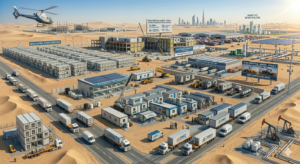
Introduction: Growing Demand of Modular Steel Living Solutions in Dubai 2026
In recent years, the construction industry in the Middle East has shifted toward faster, smarter, and more cost-efficient building solutions, and one of the strongest innovations leading this transformation is Steel Cabins. In Dubai 2026, rapid urban expansion, mega infrastructure projects, and increasing demand for temporary and semi-permanent structures have made Steel Cabins a preferred choice for contractors, developers, and industrial operators. These structures are widely recognized for their durability, quick installation, and adaptability to harsh desert climates. In fact, many companies are now replacing traditional buildings with modular systems because of their flexibility and reduced construction time. A major reason behind this shift is the growing availability of site office cabin installation solutions, which allow businesses to set up fully functional workspaces within days instead of months.
The popularity of Steel Cabins is also linked with rising construction costs and labor shortages in Dubai. Businesses are now looking for alternatives that reduce overhead expenses while maintaining quality and safety standards. These cabins provide a practical answer by offering pre-engineered, factory-built units that can be transported and assembled on-site with minimal effort. Another key advantage is their scalability, as companies can expand or relocate them depending on project needs. In many industrial zones of Dubai, these cabins are now used as control rooms, accommodation units, storage spaces, and mobile offices. The integration of portable steel workspace systems further enhances their usability by enabling businesses to maintain productivity even in remote or temporary locations.
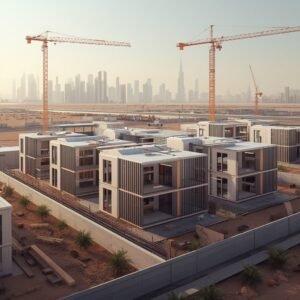
Types and Structural Variations in Modern Prefabrication Systems
The evolution of modular construction has introduced a wide variety of designs and configurations tailored for different industries. In the modern Dubai construction ecosystem, Steel Cabins are no longer limited to basic site offices but now include advanced insulated units, luxury portable offices, and multi-functional modular buildings. In Steel Cabins applications, industries often choose configurations based on project scale, environmental conditions, and operational requirements.
One of the most widely adopted variations is prefabricated steel office modules, which are designed for administrative and supervisory tasks at construction sites. These modules come with built-in electrical systems, air conditioning compatibility, and reinforced insulation to withstand extreme temperatures. Another emerging trend is the use of modular accommodation container units Dubai, which are widely deployed in labor camps and industrial housing facilities. These units are designed for comfort, ventilation, and long-term usability while maintaining portability.
In addition to these, industries are also adopting mobile industrial cabin systems, especially in logistics hubs and oil field operations. These systems are engineered for quick relocation and are highly resistant to environmental stress. Unlike traditional buildings, they can be expanded or reduced based on workforce requirements. The demand for customized layouts is also increasing, allowing companies to integrate meeting rooms, kitchens, and storage compartments within a single modular structure. As Dubai continues to expand its smart city initiatives, these flexible structures are becoming a backbone of temporary infrastructure development.
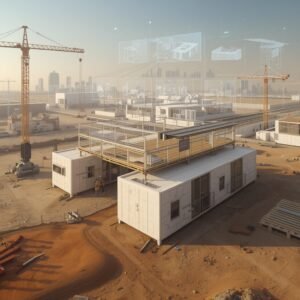
Functional Advantages and Operational Efficiency in Industrial Use
From an operational perspective, modern modular construction has significantly improved efficiency in project execution. The use of Steel Cabins in industrial and commercial sectors allows businesses to reduce setup time while improving workspace functionality. In Steel Cabins deployments across Dubai, companies benefit from rapid installation, reduced labor dependency, and minimal site disruption.
One of the most important benefits is time efficiency. Traditional construction methods can take months, while prefabricated systems are ready within days. This is particularly useful for fast-track infrastructure projects in Dubai 2026, where deadlines are strict and performance expectations are high. Another important innovation is the rise of quick deploy prefab structures, which are designed for emergency setups, temporary offices, and remote project sites.
Energy efficiency is another critical factor driving adoption. Many modern units are now designed with thermal insulation panels, solar-ready roofing systems, and energy-efficient cooling solutions. This makes them highly suitable for Dubai’s extreme climate conditions. Additionally, companies are increasingly using temporary site accommodation units, which provide comfortable living spaces for workers while maintaining cost efficiency.
Maintenance is also significantly easier compared to traditional structures. Since these cabins are manufactured in controlled environments, quality standards are higher and long-term repair needs are reduced. This makes them a cost-effective investment for construction companies, logistics firms, and industrial operators working across the UAE.
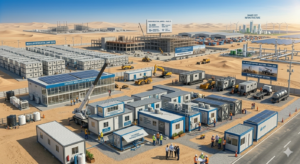
Economic Impact and Business Growth Opportunities in Modular Construction
The economic impact of modular infrastructure is becoming increasingly significant in Dubai’s rapidly growing economy. The use of Steel Cabins has enabled businesses to reduce capital expenditure while maintaining operational flexibility. In Steel Cabins applications, companies can scale their infrastructure without investing in permanent buildings, making them ideal for both startups and large enterprises.
One of the key drivers of this growth is the rising demand for cost efficient construction housing systems, which help reduce labor and material costs. These systems are particularly beneficial in large-scale projects such as highways, real estate developments, and industrial zones. Another important concept gaining attention is reusable modular infrastructure units, which allow companies to relocate and reuse cabins across multiple project sites.
The financial advantage extends beyond construction savings. Businesses also benefit from reduced utility costs, lower maintenance expenses, and faster return on investment. In sectors such as oil and gas, logistics, and construction, these savings can significantly improve overall project profitability. In Dubai 2026, government-backed infrastructure development programs are also encouraging sustainable and flexible building methods, further boosting demand for modular solutions.
Another emerging trend is the integration of smart technologies into cabin systems. Features such as IoT-based monitoring, automated climate control, and digital security systems are being incorporated into modern designs. This transformation is turning simple cabins into intelligent workspace ecosystems that support long-term business growth.
Challenges, Limitations, and Future Development Trends
Despite their advantages, modular systems also come with certain limitations that must be considered. While Steel Cabins provide flexibility and speed, they may have limitations in architectural customization compared to permanent structures. In Steel Cabins usage across Dubai, companies sometimes face restrictions in design aesthetics and structural expansion options depending on project requirements.
One of the main challenges is regulatory compliance. Different zones in Dubai have specific building codes and approval processes that must be followed before installation. Additionally, while these structures are durable, they still require periodic maintenance to ensure long-term performance in extreme weather conditions.
However, technological advancements are rapidly addressing these limitations. The introduction of advanced corrosion resistant modular systems is improving durability and lifespan. Manufacturers are also focusing on lightweight yet strong materials that enhance mobility without compromising strength. Another innovation is the development of smart insulated cabin technology, which improves thermal performance and reduces energy consumption.
Future trends indicate that modular construction will continue to evolve toward fully integrated smart infrastructure systems. By 2030 and beyond, Dubai is expected to see widespread adoption of AI-managed modular environments, where buildings can self-regulate temperature, energy usage, and security systems. This will further strengthen the role of prefabricated systems in shaping the city’s urban landscape.
Conclusion: Future of Modular Infrastructure in Dubai 2026 and Beyond
The future of modern construction in the UAE is strongly tied to innovation, sustainability, and efficiency. The increasing reliance on Steel Cabins highlights how industries are moving toward flexible and cost-effective infrastructure solutions. In Steel Cabins applications across Dubai 2026, businesses are discovering new opportunities to reduce costs, improve mobility, and enhance operational efficiency.
The rise of portable steel workspace systems, modular accommodation container units Dubai, and quick deploy prefab structures shows that modular construction is no longer a temporary solution but a long-term strategic approach. As technology continues to evolve, these systems will become more advanced, more sustainable, and more widely adopted across industries.
Ultimately, prefabricated steel solutions represent the future of urban development in Dubai, offering a perfect balance between innovation, practicality, and economic efficiency.