
Modern Housing Systems and Urban Development Foundations
Residential Construction plays a fundamental role in shaping modern cities, communities, and living standards across the world. It involves the complete process of planning, designing, and building homes that provide safe and comfortable environments for families. Residential Construction has evolved significantly due to technological advancements, improved engineering methods, and sustainable building practices that focus on long-term durability and efficiency. In today’s world, urban expansion is increasing rapidly, and the demand for housing solutions is higher than ever before. Developers are focusing on smart housing systems that combine affordability, safety, and modern design. One of the most popular trends in this industry is modular housing solutions, which allow faster construction timelines and reduced labor costs. These solutions are especially useful in cities where land availability is limited and population density is high. Modern construction also relies heavily on digital tools such as 3D modeling and building information systems to improve accuracy and reduce errors during planning. Environmental sustainability is also becoming a key priority, with builders using eco-friendly materials that reduce carbon emissions. Governments and private organizations are investing heavily in housing projects to meet rising demand. Smart homes now include energy-saving systems, automated controls, and improved security features. All these developments show how the housing sector is transforming into a technology-driven industry focused on innovation, sustainability, and customer satisfaction.
Advanced Construction Techniques and Smart Planning Systems
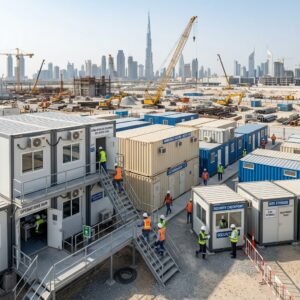
Modern housing development relies on advanced techniques that improve efficiency, reduce costs, and enhance overall construction quality. Residential Construction is now supported by digital planning systems that allow engineers and architects to design accurate structures before physical work begins. Residential Construction also integrates modern construction technologies that help streamline project execution and reduce delays. One important innovation is affordable home building services in cities, which provide cost-effective housing solutions for growing urban populations. These services are widely used in developing regions where housing demand is rapidly increasing. Another important approach is eco friendly housing development, which focuses on reducing environmental impact through sustainable building materials and energy-efficient designs. Construction companies are also adopting prefabricated components that can be assembled quickly on-site, reducing both time and cost. Automation tools and AI-based systems are now being used to monitor construction progress and ensure quality control at every stage. Urban expansion requires efficient planning strategies that maximize land usage while maintaining comfort and livability. Architects are also focusing on smart layouts that improve ventilation, lighting, and space optimization. These modern methods are replacing traditional construction techniques and creating a more efficient industry. The integration of technology into construction has improved accuracy, reduced waste, and increased productivity significantly.
Modern Architecture and Personalized Housing Design Systems
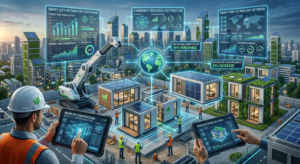
Architecture has become a key element in modern housing development, focusing on both functionality and aesthetic appeal. Residential Construction is closely connected with architectural innovation that ensures homes are designed for comfort, efficiency, and sustainability. Residential Construction also supports customized housing development, allowing homeowners to design spaces according to their personal needs and lifestyle preferences. One widely adopted model is modern villa construction services for families, which focuses on spacious layouts, luxury designs, and high-end living standards. These services are increasingly popular in urban and suburban areas where demand for premium housing is rising. Another major trend is custom housing design solutions, which enable clients to select layouts, materials, and interior features that match their requirements. Smart home technologies are now being integrated into residential designs, including automated lighting systems, climate control, and advanced security solutions. Architects are also focusing on energy efficiency by using sustainable materials and green building techniques. Residential communities are being designed with integrated facilities such as parks, schools, and commercial zones to enhance lifestyle quality. Digital tools like 3D visualization and virtual modeling allow architects to present designs before construction begins, reducing errors and improving decision-making. These innovations are reshaping modern architecture by combining creativity, functionality, and sustainability in residential planning.
Benefits, Limitations, and Industry Growth Challenges
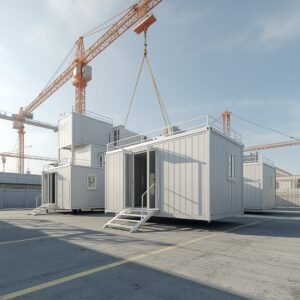
The housing sector offers numerous benefits but also faces challenges that must be managed effectively for long-term success. Residential Construction contributes significantly to economic growth by generating employment opportunities and supporting infrastructure development. Residential Construction also improves living standards by providing safe, durable, and modern homes for growing populations. One of the key benefits of this industry is increased construction efficiency due to advanced technologies and improved project management systems. Another advantage is the durability and strength of modern housing structures, which provide long-term value for homeowners and investors. However, the industry also faces several challenges such as rising material costs, shortage of skilled labor, and strict government regulations. Environmental concerns are also pushing companies to adopt sustainable practices that reduce pollution and waste generation. Urban land scarcity is another major issue, especially in densely populated cities where large-scale housing projects are difficult to execute. Despite these challenges, innovation continues to drive industry growth and improvement. Digital transformation has helped companies reduce errors and improve productivity through automated systems and real-time monitoring tools. Proper planning and resource allocation are essential for successful project completion. Government policies and private investments also play an important role in supporting housing development projects. Overall, the industry continues to evolve by adopting modern technologies and sustainable practices.
Sustainable Growth and Future Housing Development Trends
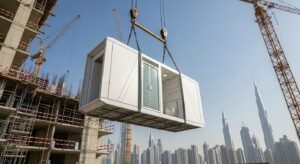
The future of housing is moving toward smarter, greener, and more efficient systems driven by technology and innovation. Residential Construction is expected to grow significantly as artificial intelligence, automation, and smart technologies become more integrated into building processes. Residential Construction will continue evolving with a focus on sustainability, affordability, and improved living standards for communities worldwide. Developers are increasingly adopting eco-friendly construction methods that reduce environmental impact and promote energy efficiency. Smart city development and intelligent housing systems are becoming major trends in urban planning. Digital transformation is also influencing the industry through IoT-enabled homes, automated systems, and AI-based design tools. Companies are focusing on organic lead generation strategies to attract customers through digital platforms without relying heavily on paid advertising. Additionally, businesses are implementing a data driven customer retention plan to improve client satisfaction, loyalty, and long-term engagement. These strategies help construction companies better understand customer behavior and deliver more personalized services. Future housing projects will prioritize flexibility, affordability, and customization to meet diverse population needs. Technologies such as virtual reality, augmented reality, and machine learning will further enhance construction planning and design accuracy. Sustainability, innovation, and customer-focused development will define the next generation of housing systems. As the industry advances, residential development will become more efficient, environmentally responsible, and technologically advanced.