Modern Modular Living Evolution
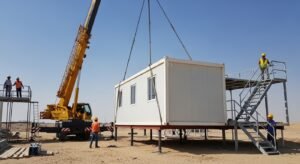
In today’s fast-changing construction landscape, the demand for faster, smarter, and more sustainable building methods has significantly increased. Among the most innovative solutions, Prefabricated Cabins have emerged as a leading choice for residential, commercial, and industrial applications. These structures are designed and manufactured in controlled factory environments and then transported to installation sites, reducing construction time, labor costs, and material wastage. The growing popularity of Prefabricated Cabins is directly linked to their flexibility, affordability, and eco-conscious design approach, making them ideal for modern infrastructure needs.
One of the key advantages of this concept is its alignment with portable cabin solutions, which allow users to easily relocate or expand their living or working spaces without major structural changes. This flexibility is especially useful in remote locations, tourism projects, and temporary work sites where traditional construction is not practical. Unlike conventional buildings, these cabins can be deployed quickly while maintaining durability and comfort standards.
The rise of modular construction has also encouraged the development of low competition services such as modular installation, fast deployment housing, and factory-built structures that enhance overall efficiency. These services ensure that projects are completed in a shorter time frame while maintaining high quality standards. Additionally, Prefabricated Cabins support sustainable construction practices by minimizing environmental impact and reducing on-site disruption.
Another important factor contributing to their demand is the integration of smart design principles that allow for customization based on user requirements. Whether used for residential living, office setups, or emergency shelters, these cabins provide a reliable and scalable solution. As urbanization continues to grow, the need for efficient space utilization becomes more important, making Prefabricated Cabins a practical and future-ready choice for developers and individuals alike.
Structural Variations and Design Categories
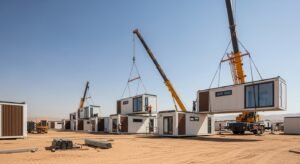
The design flexibility of modular construction allows multiple variations depending on usage and environmental requirements. Some units are developed as compact living spaces, while others are designed for commercial or industrial purposes. A growing trend in this category is the use of quick install modular housing systems, which significantly reduce on-site construction time and improve deployment efficiency. These systems are particularly useful in remote or high-demand areas where rapid setup is essential. The popularity of quick install modular housing systems continues to rise due to their adaptability and cost-effectiveness in large-scale projects.
Another important concept associated with this category is the growing acceptance of sustainable alternatives such as eco cabins, which are designed with environmentally friendly materials and energy-efficient systems. These units support green living initiatives while maintaining modern comfort standards. The increasing demand for eco cabins reflects a shift toward responsible construction practices and reduced carbon footprints.
In addition to these innovations, modular structures are also being designed with enhanced insulation, weather resistance, and smart layout planning. This makes them suitable for diverse climates and geographical conditions. The combination of functionality and sustainability ensures that modern cabin designs continue to evolve in line with global construction trends.
Core Engineering Concept and Functional Approach
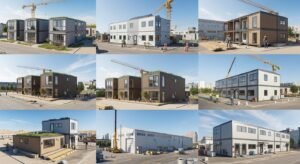
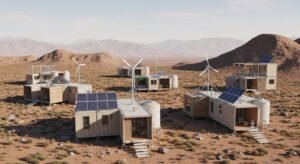
The foundation of modular construction lies in engineering precision and efficient material utilization. One of the most advanced concepts influencing this industry is sustainable off grid cabin engineering, which focuses on creating independent living units capable of operating without traditional utility dependencies. This approach is especially valuable in remote areas where access to electricity, water, and infrastructure is limited. The adoption of sustainable off grid cabin engineering ensures that cabins remain functional, self-sufficient, and environmentally responsible. In many modern projects, sustainable off grid cabin engineering is also integrated with renewable energy systems such as solar panels and rainwater harvesting technologies.
The role of flexibility in design also contributes to the growing popularity of modular solutions. These structures can be expanded, relocated, or reconfigured based on changing requirements. Additionally, the use of eco cabins further strengthens the sustainability aspect by reducing environmental impact through eco-friendly materials and energy-efficient systems. The repeated implementation of eco cabins in various construction projects highlights their importance in promoting green building standards and reducing long-term operational costs.
This engineering approach not only improves construction efficiency but also ensures long-term durability and adaptability in different environments.
Advantages and Positive Impact on Modern Construction
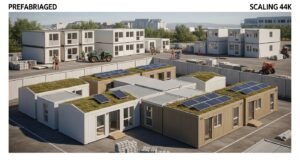
One of the most significant benefits of modular construction is its ability to deliver fast, reliable, and cost-effective solutions. The growing demand for Prefabricated Cabins highlights their role in modern infrastructure development, especially in sectors requiring rapid deployment and flexible design options. The use of Prefabricated Cabins reduces construction time dramatically while maintaining high-quality standards through controlled manufacturing processes.
Another major advantage is the integration of eco cabins, which provide environmentally friendly living and working spaces. These units reduce energy consumption and promote sustainable living practices. The repeated use of eco cabins in tourism, residential, and commercial projects reflects their increasing importance in eco-conscious development strategies.
In addition, modular systems are highly scalable, allowing users to expand or modify structures without major reconstruction. This makes them ideal for businesses and individuals seeking long-term flexibility. Their portability and ease of installation also make them a preferred choice for temporary housing, disaster relief, and remote work environments.
Overall, the combination of speed, sustainability, and adaptability makes modular construction a powerful solution for modern infrastructure needs.
Challenges and Limitations in Practical Use
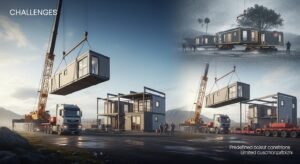
Despite their numerous advantages, modular construction also comes with certain limitations that must be considered. One of the main challenges is customization constraints, as designs are often based on predefined modules. This can limit architectural creativity compared to fully traditional construction methods. Additionally, transportation of large units may become costly and logistically complex in remote regions.
Another concern is durability perception, as some users still view modular units as temporary structures despite advancements in material strength and engineering quality. However, modern developments have significantly improved their resilience and long-term usability.
Environmental factors such as extreme weather conditions can also influence performance if materials are not properly selected. Although most modern designs are highly weather-resistant, quality variation between manufacturers can lead to inconsistencies. Regulatory approvals may also pose challenges in certain regions where building codes have not fully adapted to modular systems.
However, continuous innovation in design and engineering is addressing many of these issues, making modular construction increasingly reliable and widely accepted across various industries.
Applications, Industry Usage, and Market Growth
The application of modular construction extends across multiple industries including tourism, healthcare, education, and disaster management. Remote camps, eco-resorts, and mobile offices frequently rely on these structures for quick and efficient setup. The adaptability of modular units allows them to serve both temporary and permanent functions depending on project requirements.
The demand for sustainable off grid cabin engineering is also increasing in research stations and remote operational areas where independence from traditional infrastructure is essential. This engineering approach ensures reliable performance even in isolated environments. Additionally, the popularity of eco cabins continues to grow in tourism sectors focused on environmentally responsible travel experiences.
Market trends indicate a steady increase in investment toward modular construction due to rising urbanization and housing shortages. Developers are increasingly adopting these systems to meet fast-growing infrastructure demands while maintaining cost efficiency and sustainability.
Future of Modular Infrastructure Development
The future of construction is clearly moving toward efficiency, sustainability, and adaptability. Modular systems such as Prefabricated Cabins are becoming a central part of this transformation due to their speed of installation, cost-effectiveness, and environmental benefits. The continued use of Prefabricated Cabins in diverse industries demonstrates their growing importance in modern infrastructure planning.
The integration of portable cabin solutions further enhances their flexibility, allowing users to adapt spaces according to changing needs without major structural changes. Similarly, innovations like advanced prefabricated structural development methods are pushing the boundaries of design efficiency and engineering precision. The repeated application of advanced prefabricated structural development methods in large-scale projects reflects the future direction of sustainable and scalable construction practices.
As global demand for efficient housing solutions increases, modular construction will continue to evolve, offering smarter, greener, and more adaptable alternatives to traditional building methods.