Public Prefab Washroom | 6 Powerful Benefits of Modern, Affordable & Durable Sanitation Solutions
Introduction to Public Prefab Washroom Solutions
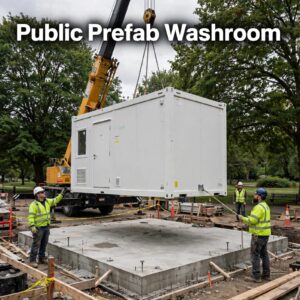
Modern construction projects require sanitation facilities that are hygienic, durable, affordable, and suitable for different environments. Public washrooms are an essential part of commercial buildings, educational institutions, industrial facilities, parks, transportation terminals, and recreational spaces where people need convenient access to proper sanitation throughout the day. Traditional washroom construction often involves several stages, including site preparation, masonry work, plumbing installation, electrical arrangements, roofing, flooring, and interior finishing. These activities require proper coordination and can increase project timelines depending on the size and complexity of the building. A Public Prefab Washroom provides a practical alternative by using prefabricated structural components that can be manufactured or assembled before being transported to the required location. These facilities can be designed according to available space, expected visitor numbers, budget, and specific sanitation requirements. Depending on the project, a prefabricated washroom may include multiple toilet compartments, separate male and female sections, handwashing stations, ventilation systems, lighting, water supply connections, and drainage arrangements. Modern modular construction also allows businesses and property developers to consider different exterior finishes, internal layouts, and material options according to their requirements. For organizations planning public sanitation facilities, the main objective is to create a comfortable, functional, and easy-to-maintain environment. Structural strength, privacy, moisture protection, hygiene, and long-term maintenance should therefore be considered before selecting a suitable washroom design.
1. Modern Design and Customization Options for Public Washrooms
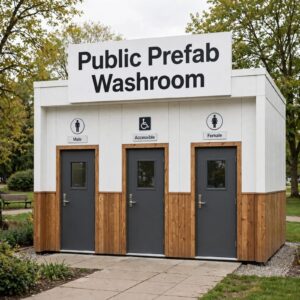
One of the important features of a Public Prefab Washroom is its flexibility in design and customization. Different locations have different sanitation requirements, so a single standard layout may not be suitable for every project. A small commercial property may require a compact restroom with basic toilet and handwashing facilities, while a shopping center, public park, educational institution, or industrial facility may need a larger building with several separate compartments. Prefabricated construction makes it possible to plan these facilities according to specific dimensions and functional requirements. Manufacturers can prepare structural frameworks, wall panels, roofing components, flooring, doors, and internal fittings according to the selected design before final installation. Depending on the construction system, suitable materials may include steel frameworks, insulated sandwich panels, cement boards, and other building products designed for the intended environment. Customers can also discuss separate male and female sections, accessible toilet facilities, privacy partitions, ventilation arrangements, and dedicated cleaning areas. Exterior appearance can be selected to complement the surrounding property, while internal arrangements can focus on convenience and efficient use of available space. For outdoor installations, weather exposure, temperature conditions, drainage, and protection against moisture should be considered carefully. A well-planned design should balance appearance, durability, accessibility, and maintenance requirements instead of focusing only on the initial construction cost. These customization possibilities make prefabricated sanitation buildings a practical option for organizations looking for facilities that match their operational needs.
2. Six Powerful Benefits of Modern Public Prefab Washrooms
A modern Public Prefab Washroom can offer several practical advantages for businesses, contractors, property developers, and public organizations. The first benefit is flexible construction, as prefabricated components can be prepared before installation and arranged according to the available site dimensions. The second benefit is efficient project planning because some manufacturing and preparation activities can take place away from the installation location, potentially reducing the amount of conventional construction work required on-site. The third benefit is design flexibility, allowing customers to select suitable layouts, toilet compartments, handwashing stations, and internal fittings according to the expected number of users. The fourth benefit is the availability of different material and finishing options, which can be selected according to weather exposure, structural requirements, and cleaning needs. The fifth benefit is practical maintenance planning, as suitable flooring, washable surfaces, accessible plumbing connections, and effective ventilation can make routine cleaning and repairs more manageable. The sixth benefit is the wide range of applications, since prefabricated washrooms can be considered for commercial properties, parks, schools, construction sites, factories, warehouses, and transportation facilities. However, the actual performance and value of these facilities depend on material quality, manufacturing standards, installation methods, and regular maintenance. Buyers should compare complete product specifications and understand which services are included in the quotation before selecting a manufacturer. Careful planning can help ensure that the completed facility meets the intended sanitation requirements and provides a suitable environment for everyday users.
3. Applications of Public Prefab Washroom Facilities in Different Industries
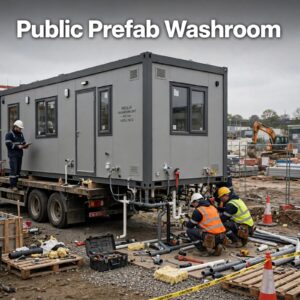
A Public Prefab Washroom can be used in different commercial, industrial, educational, and public environments where convenient sanitation facilities are required. Shopping malls, retail centers, restaurants, and commercial developments need properly planned washrooms for customers, employees, and visitors. Educational institutions may require separate sanitation facilities for students, teachers, and administrative staff, with suitable arrangements for privacy and accessibility. Public parks, tourist destinations, recreational areas, and outdoor event locations can also benefit from prefabricated facilities because visitor numbers may increase during weekends, holidays, and special events. Construction companies often require temporary or semi-permanent restroom buildings for workers at project sites where permanent sanitation infrastructure is not yet available. Factories, warehouses, agricultural facilities, and industrial developments may also need dedicated washrooms to support employee convenience and workplace hygiene. Transportation terminals, roadside service areas, and parking facilities require practical sanitation arrangements for travelers and other visitors. In Layyah and other parts of Pakistan, property owners, contractors, and organizations can evaluate prefabricated washroom options according to local site conditions, transportation access, available water supply, drainage arrangements, and expected usage. The design should also consider the number of toilet compartments required, cleaning access, ventilation, and the availability of maintenance services. Proper planning helps organizations select a facility that supports everyday sanitation needs while making the best use of the available installation space.
4. Durable Materials, Hygiene, and Maintenance Requirements
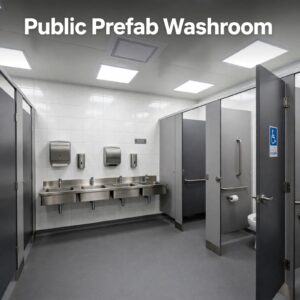
Material selection is one of the most important considerations when planning a dependable public sanitation facility. A properly constructed Public Prefab Washroom should use materials suitable for regular use, moisture exposure, environmental conditions, and routine cleaning. The structural framework must be selected according to the building dimensions, transportation requirements, installation location, and expected service life. Suitable wall panels, roofing materials, moisture-resistant finishes, and properly installed doors can help create a strong and functional structure. Ventilation also plays an important role because public washrooms experience moisture, odors, and frequent usage. Exhaust fans and appropriately positioned air openings can improve indoor conditions when installed correctly. Plumbing systems should provide a reliable water supply and effective drainage for toilets and washbasins, while water-resistant flooring can support easier cleaning and help reduce slipping risks. Lighting should provide sufficient visibility throughout the building, and electrical fittings must be appropriate for the installation environment and protected from moisture. Additional facilities may include mirrors, soap dispensers, hand dryers, waste bins, privacy partitions, and accessible toilet arrangements. Regular cleaning, plumbing inspections, and timely replacement of damaged fittings are also necessary to maintain hygiene. Businesses and facility managers should establish suitable cleaning schedules and ensure that waste is disposed of properly. Selecting durable materials and planning maintenance requirements from the beginning can help support long-term performance and reduce avoidable repair problems.
5. Affordable Planning and Choosing the Right Prefab Washroom Manufacturer
Selecting a suitable manufacturer is an important part of any prefabricated sanitation project because construction quality, materials, installation, and service support can influence the overall results. Buyers should begin by identifying the intended location, available space, expected number of daily users, required toilet compartments, and preferred internal facilities. A professional supplier should be able to explain suitable structural materials, layout possibilities, plumbing arrangements, ventilation, and finishing options according to the project requirements. When comparing a Public Prefab Washroom, customers should request detailed specifications covering the framework, wall panels, roofing, flooring, doors, sanitary fittings, insulation, and electrical components. The complete project cost should also be reviewed because transportation, foundation preparation, installation, and utility connections may be charged separately. Written quotations, product drawings, material details, and photographs of completed projects can help customers understand the proposed solution before placing an order. For projects in Layyah, nearby districts, and other parts of Pakistan, transportation arrangements and installation support should be discussed in advance. BAF Prefab House provides prefabricated building solutions that can be considered according to project purpose, space, layout, and budget requirements. Customers planning a public sanitation facility can contact the team to discuss customization options, suitable materials, and available construction arrangements. Understanding the complete project specifications before purchasing can help property owners make informed decisions and select a washroom solution that matches their operational needs.
Invest in Modern and Durable Public Sanitation Solutions
Public sanitation facilities are an important part of well-organized commercial, industrial, educational, and recreational environments. Businesses, property developers, contractors, and public organizations need washrooms that provide convenience, privacy, hygiene, and dependable performance for everyday users. A Public Prefab Washroom offers a flexible construction option for projects that require practical sanitation facilities with customizable layouts and suitable material choices. Its overall performance depends on structural design, manufacturing quality, plumbing arrangements, ventilation, installation conditions, and regular maintenance. Before making a purchasing decision, customers should compare available specifications, evaluate the complete project cost, and select a design according to the expected number of users and available space. BAF Prefab House aims to support customers looking for practical prefabricated building solutions that can be planned according to individual project requirements. Whether you need a compact restroom for a commercial property, a sanitation building for an industrial location, or a larger facility for a public area, choosing suitable materials and proper design can help create a functional solution. Contact BAF Prefab House to discuss your project requirements, explore available customization options, and request a quotation for your planned prefabricated washroom facility.