
Containerized Units
Introduction
In modern construction and infrastructure development, flexibility, efficiency, and cost-effectiveness are key factors for success. One of the most practical solutions that meet these requirements is the use of Containerized Units.
These units are modified shipping containers that are transformed into functional spaces such as offices, accommodation, storage, and commercial facilities. With the growing demand for Portable and Prefabricated Buildings, the importance of Containerized Units has increased significantly across various industries.
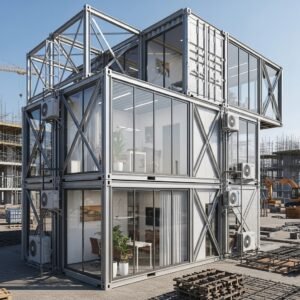
The concept of Containerized Units is based on reusing standard shipping containers and converting them into usable structures. These units are strong, durable, and easy to transport, making them ideal for temporary and permanent installations. They are widely used in construction projects, industrial facilities, and commercial setups where quick installation and mobility are essential.
One of the major advantages of Containerized Units is their compatibility with Prefab Buildings, Modular Buildings, and Container Offices. Businesses often combine these units to create complete infrastructure systems, including Site Offices, Portable Offices, and Accommodation Cabins. This modular approach allows companies to expand or relocate facilities easily.
Another important reason for the popularity of Containerized Units is cost efficiency. Compared to traditional construction methods, container-based structures require less time, labor, and materials. This makes them a preferred choice for projects with tight budgets and deadlines.
In addition, Containerized Units are widely used in Workers Accommodation, Portable Accommodation, and Labour Accommodation setups. Their ability to provide comfortable living spaces in remote areas makes them essential for construction and industrial projects.
Sustainability is also a key benefit of Containerized Units. By reusing shipping containers, businesses reduce waste and promote environmentally friendly construction practices. This aligns with modern trends in Modular Construction and sustainable infrastructure development.
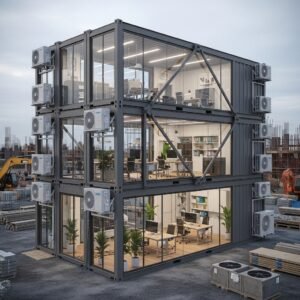
Overall, Containerized Units offer a versatile and reliable solution for various applications. From offices and housing to storage and commercial use, these units play a vital role in modern infrastructure.
What Are Containerized Units?
Containerized Units are prefabricated structures made by converting shipping containers into usable spaces. These containers are modified with insulation, doors, windows, electrical systems, and interior fittings to meet specific requirements.
They are commonly used as:
- Container Offices
- Portable Offices
- Accommodation Cabins
- Storage Containers
- Portable Clinics
These units are an important part of Portable and Prefabricated Buildings systems.
Major Uses of Containerized Units
1. Site Offices
One of the most common uses of Containerized Units is as Site Office Cabins. Construction companies use these units to manage project operations efficiently.
2. Worker Accommodation
Containerized Units are widely used for Workers’ Accommodation, Labour Accommodation, and Portable Accommodation. These units provide safe and comfortable living spaces for workers.
3. Portable Offices
Businesses use Containerized Units as Portable Offices and Office Containers for temporary or permanent workspaces.
4. Storage Solutions
These units are used as Storage Containers to store equipment, tools, and materials securely.
5. Commercial Applications
Many businesses convert containers into shops, Food Kiosks, and service centers.
6. Healthcare Facilities
Containerized Units can be transformed into Portable Clinics and mobile healthcare units.
7. Educational Facilities
In some areas, container units are used as classrooms or training centers.
Advantages of Containerized Units
Durability
Shipping containers are made from strong steel, making Containerized Units highly durable.
Mobility
These units can be easily transported and relocated.
Cost Efficiency
They are more affordable compared to traditional construction.
Quick Installation
Containerized Units can be installed quickly, saving time.
Customization
Units can be customized according to specific needs.
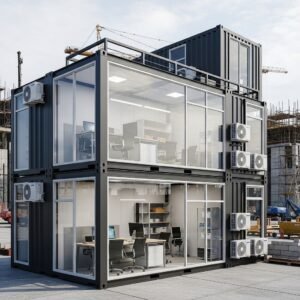
Integration with Modular Infrastructure
Containerized Units are often combined with:
- Portable and Prefabricated Buildings
- Prefab Buildings
- Modular Buildings
- Container Offices
This integration creates complete and flexible infrastructure systems.
Applications in Different Industries
Construction Industry
Used for Site Offices, storage, and worker accommodation.
Industrial Sector
Used for administrative offices and storage.
Commercial Sector
Used as shops, cafes, and offices.
Healthcare Sector
Used as Portable Clinics.
Future of Containerized Units
With increasing demand for sustainable and efficient construction, Containerized Units are becoming more popular. Innovations in design and technology are improving their functionality and appearance.
Conclusion
Containerized Units are a versatile and cost-effective solution for modern infrastructure needs. Their durability, flexibility, and quick installation make them ideal for construction, industrial, and commercial applications.
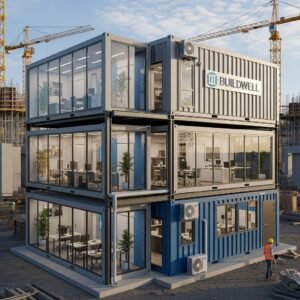
As industries continue to adopt Modular Construction and Portable and Prefabricated Buildings, the demand for Containerized Units will continue to grow. These units provide a reliable and sustainable alternative to traditional construction, making them an essential part of the future of infrastructure development.
In conclusion, container-based modular infrastructure has transformed the way modern construction and industrial projects are planned and executed. These structures offer a highly practical alternative to traditional building methods, providing flexibility, durability, and cost efficiency in a wide range of applications. From temporary site installations to long-term commercial use, they continue to prove their value across multiple sectors.
One of the most important advantages of these systems is their adaptability. They can be converted into offices, accommodation units, storage spaces, retail outlets, and even healthcare facilities. This versatility makes them suitable for construction companies, industrial operations, remote work sites, and emergency response setups. Their ability to serve multiple purposes significantly reduces the need for permanent construction in temporary or changing environments.
Another major strength lies in their quick deployment. Unlike conventional buildings that require long construction timelines, these modular units can be installed and made operational in a very short time. This is particularly beneficial for projects that operate under strict deadlines or require immediate setup of facilities. The reduced construction time also helps businesses save on labor costs and minimize project delays.
Cost efficiency is another key factor driving their popularity. These structures require fewer raw materials and less labor compared to traditional construction methods. Additionally, they can be reused and relocated multiple times, which increases their overall value and reduces long-term investment costs. For many businesses, this makes them a financially smart solution, especially for temporary or semi-permanent needs.
Sustainability is also an important aspect of their growing demand. Reusing existing steel structures helps reduce construction waste and lowers environmental impact. As industries shift toward greener and more responsible practices, these solutions align well with global sustainability goals. Their reusable nature supports resource conservation and promotes eco-friendly development.
In terms of functionality, modern modular units are no longer basic or limited in design. They now feature improved insulation, modern interiors, advanced electrical systems, and attractive exterior finishes. This evolution has made them suitable not only for industrial use but also for commercial and residential applications. Businesses can now create comfortable and professional environments without the need for traditional construction.
Looking ahead, the demand for modular infrastructure is expected to grow further as industries continue to prioritize speed, efficiency, and sustainability. Technological advancements in design and manufacturing will further improve their performance and expand their use cases. From small-scale projects to large industrial developments, these systems will continue to play a vital role in shaping modern infrastructure.
Overall, container-based modular solutions represent a smart, efficient, and future-ready approach to construction. Their flexibility, affordability, and environmental benefits make them a reliable choice for a wide range of industries, ensuring their continued relevance in the years to come.