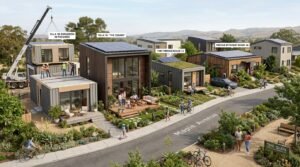
Affordable Modular House Solutions for Modern Living
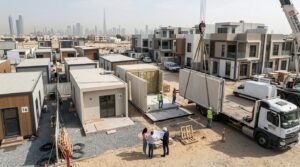
The concept of a Modular House has transformed modern residential construction, offering a flexible, cost-effective alternative to conventional homes. These structures are prefabricated in controlled factory environments and then transported to the building site for assembly. This method ensures faster construction, reduced material wastage, and consistent quality. For many homebuyers, affordable prefab home kits have become a popular choice because they combine style, efficiency, and affordability. The versatility of a Modular House allows homeowners to choose designs ranging from single-story dwellings to multi-level residences, making them adaptable for urban and semi-urban plots.
Modern tiny prefab houses are an ideal solution for small spaces while providing all essential amenities. Many homeowners prefer these compact options because they are easy to maintain and quicker to construct than traditional houses. On the other hand, steel frame prefab houses are renowned for their durability, weather resistance, and structural strength, making them a long-term investment. Prefabricated modular homes can also be customized extensively, including interiors, layouts, and sustainable materials, which appeals to environmentally conscious buyers.
With rising urban populations, there is a growing demand for budget prefab homes with amenities that combine affordability and practicality. These homes often incorporate energy-efficient systems, smart storage solutions, and modern design elements that enhance living comfort. They also appeal to investors who want modular house kits for builders, which simplify logistics and minimize on-site labor costs. By choosing modular construction, homeowners can save time, reduce waste, and enjoy high-quality living spaces without overspending. The combination of affordability, flexibility, and speed makes the modular approach a preferred choice for contemporary housing projects.
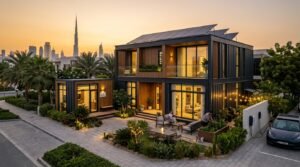
Varieties of Modular Houses and Customization Options
Modular House come in a wide range of styles and configurations to suit various needs. Popular options include tiny prefab houses, steel frame prefab houses, and modern prefab villas designs that offer luxurious features while maintaining the benefits of modular construction. Families often choose budget prefab homes with amenities, which provide fully functional living spaces at competitive prices. Meanwhile, developers favor modular house kits for builders, which streamline construction and reduce labor requirements.
Customization is a key strength of modular construction. Buyers can select from energy-efficient prefab homes equipped with eco-friendly technologies and sustainable materials. Multi-story configurations like multi-story modular homes with balconies allow for maximum space utilization and design flexibility. Homeowners can integrate modern interiors, smart layouts, and outdoor areas while maintaining cost efficiency. These options make modular homes suitable for residential, vacation, or rental purposes.
The flexibility of Modular House construction also extends to expansion and relocation. Owners can modify or add sections to the structure as family needs evolve, which is a distinct advantage over traditional construction. Flexible prefab home layouts allow individuals to design functional kitchens, bathrooms, bedrooms, and living spaces without compromising aesthetics. The modular approach also supports sustainable practices, reducing environmental impact by minimizing construction waste. For people searching for budget prefab homes with amenities or modular house kits for builders, these options offer both practicality and long-term value.
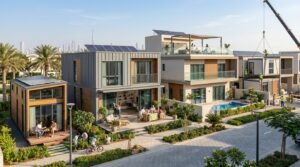
Advantages of Modular House Construction
One of the most notable benefits of Modular House construction is its speed of build and cost efficiency, which appeals to both homeowners and real estate developers. Modular homes can be assembled in weeks rather than months, allowing occupants to move in sooner and reducing labor expenses. This efficiency also reduces material waste, contributing to eco-friendly construction practices. Investing in tiny prefab houses or energy-efficient prefab homes ensures long-term savings due to lower maintenance and energy costs.
Another significant advantage is the availability of flexible prefab home layouts, which allow buyers to select designs that meet their lifestyle requirements. Families can choose multi-bedroom configurations, dedicated office spaces, or open-plan living areas. Modern prefab villas designs combine aesthetic appeal with practicality, making modular construction an attractive choice for those seeking stylish homes at reasonable costs. Additionally, modular house kits for builders simplify logistics, as sections are pre-fabricated and delivered ready for installation, saving both time and money.
Modular homes also offer durability and structural integrity. Steel frame prefab houses are particularly resilient to harsh weather and require minimal upkeep, while tiny prefab houses provide efficient use of space without sacrificing comfort. These benefits make modular construction a practical, value-driven solution for first-time homeowners, investors, and urban planners seeking sustainable and flexible housing. The combination of affordability, rapid construction, and versatility ensures that modular homes remain a popular choice in today’s real estate market.
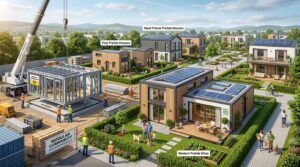
Potential Drawbacks of Modular Houses
Despite numerous advantages, modular housing does have limitations. Space constraints can be an issue, especially in Modular Houses, which may not provide sufficient room for larger families or those needing extensive living areas. Some budget prefab homes with amenities might reduce customization options or use lower-cost finishes to maintain affordability. This can affect the overall experience for homeowners seeking premium features.
Another consideration is local zoning laws and permitting regulations. Some regions impose restrictions on modular structures, which can complicate installation. Transportation of prefabricated modules may also incur additional costs depending on the location and accessibility of the site. Modular house kits for builders require careful planning to ensure safe delivery and proper assembly.
Variations in quality among suppliers can also be a concern. While most providers maintain strict standards, cheaper options may compromise materials, finishes, or durability. Homeowners are encouraged to research suppliers thoroughly, check reviews, and inspect past projects to ensure consistent quality. Despite these challenges, careful planning and supplier selection can mitigate most drawbacks, allowing buyers to enjoy the many benefits of modular construction. For those seeking tiny prefab houses or modern prefab villas designs, modular solutions continue to provide practical, affordable, and flexible housing options.
Why Modular Houses Are a Smart Choice
Investing in a Modular House offers a practical, cost-effective, and stylish housing solution. Whether choosing tiny prefab houses, modern prefab villas designs, or energy-efficient prefab homes, modular solutions combine affordability, flexibility, and sustainability. These homes are quick to construct, customizable, and environmentally friendly, making them ideal for today’s homeowners and investors.
Eco-conscious buyers benefit from energy-efficient prefab homes, which reduce utility costs and minimize environmental impact. Modular house kits for builders simplify logistics, reduce labor costs, and allow for scalable construction. Families and individuals can enjoy functional layouts, quality finishes, and flexible designs tailored to their needs.
While some limitations exist, such as space constraints or variations in supplier quality, modular homes provide a balanced solution for those seeking efficiency, affordability, and modern aesthetics. Combining budget prefab homes with amenities, affordable prefab home kits, and multi-story modular homes with balconies, buyers can enjoy a seamless construction experience that meets their lifestyle needs. Modular houses represent the future of housing, bridging the gap between traditional construction and modern living preferences.