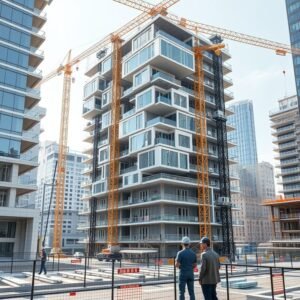
effective and modern modular solutions for residential and commercial projects
Modern Upgrade Approach in Construction Industry
The modern construction world is rapidly shifting toward faster, more efficient, and environmentally conscious methods. One of the most influential innovations in this space is Prefab Renovation, which has completely changed how old buildings are upgraded and transformed. Instead of relying on traditional demolition and rebuilding processes, developers now prefer modular systems that allow partial or complete renovation with pre-manufactured components. The demand for Prefab Renovation is increasing because it reduces construction time, lowers labor dependency, and improves precision in building outcomes. This method is especially useful in urban environments where space limitations and time constraints make conventional renovation difficult.
In recent years, the adoption of modular renovation services has further enhanced the efficiency of construction projects. These services allow architects and builders to design, manufacture, and install building modules in a structured and controlled manner. By using modular renovation services, project delays are minimized, and overall quality is improved due to factory-based production systems.
Sub-section: Urban Adaptation
In crowded cities, renovation projects often face restrictions due to traffic, population density, and limited working space. Prefabricated systems solve this issue by shifting most of the construction process off-site, making installation quick and clean.
Sub-section: Modern Building Shift
The combination of technology and engineering has made renovation smarter and more predictable. Digital planning tools now support designers in visualizing projects before execution, reducing risks and improving accuracy.
Structured Planning and Design Efficiency
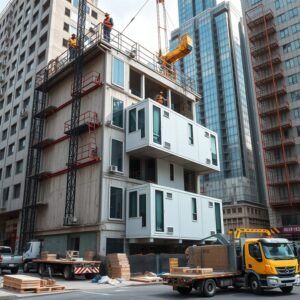
Modern construction planning focuses on precision, speed, and cost optimization. One of the most effective innovations in this area is the use of advanced modular renovation construction systems, which streamline the entire building process from design to execution. These systems allow engineers to break down complex structures into manageable modules that are manufactured separately and assembled on-site. The use of advanced modular renovation construction systems significantly reduces errors and improves overall project coordination. Additionally, advanced modular renovation construction systems help maintain consistent quality across all components, making them ideal for large-scale renovation projects.
Another important concept in this process is retrofit, which allows existing structures to be upgraded without complete demolition. retrofit methods are especially useful in older buildings where structural preservation is necessary while improving functionality and aesthetics.
Sub-section: Design Integration
Digital modeling plays a major role in ensuring that every component fits perfectly during installation. This reduces material waste and improves structural accuracy.
Sub-section: Workflow Optimization
Efficient workflows ensure that each stage of renovation is completed in a timely manner, minimizing delays and improving productivity.
Engineering Techniques and System Development
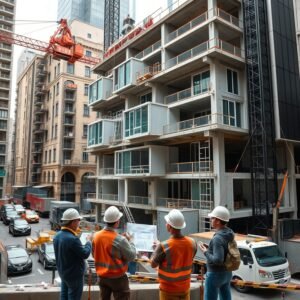
Modern engineering techniques are continuously evolving to support faster and more reliable construction methods. The introduction of advanced modular renovation construction systems has transformed how engineers approach building design and execution. These systems allow precise manufacturing of components that can be easily assembled on-site, reducing construction complexity. The use of advanced modular renovation construction systems ensures better coordination between design teams and field workers. Moreover, advanced modular renovation construction systems improve structural consistency and durability, making them suitable for both residential and commercial projects.
The use of retrofit solutions also plays an important role in upgrading existing infrastructure. retrofit applications help extend the life of buildings while improving their energy efficiency and safety standards.
Sub-section: Precision Engineering
High-level accuracy in component manufacturing ensures that every module fits seamlessly during assembly, reducing on-site adjustments.
Sub-section: System Reliability
Prefabricated systems are designed to withstand long-term usage, making them highly reliable for modern infrastructure development.
Practical Application in Urban Projects
Urban development projects increasingly rely on efficient renovation techniques to meet growing infrastructure demands. The application of retrofit methods has become essential in transforming old buildings into modern, functional spaces. The use of retrofit allows developers to upgrade structures without disrupting the surrounding environment significantly. In addition, Prefab Renovation plays a crucial role in reducing construction time and improving project efficiency in densely populated areas.
Sub-section: City Development
Urban planners use prefabricated systems to quickly upgrade residential and commercial buildings while maintaining city functionality.
Sub-section: Space Efficiency
Limited space in cities makes traditional construction difficult, so modular systems provide a practical and effective alternative.
Cost and Resource Optimization Factors
One of the major advantages of modern construction methods is cost efficiency. Prefabrication helps reduce labor costs, material waste, and project delays. By using standardized components, developers can control budgets more effectively and avoid unexpected expenses. Efficient planning also ensures better resource allocation, making projects more predictable and manageable.
Budget Control
Careful planning allows developers to estimate costs accurately and reduce financial risks during construction.
Material Efficiency
Factory-based production ensures minimal waste, as materials are cut and assembled with precision.
Environmental and Sustainability Benefits
Sustainability is becoming a key priority in modern construction practices. Prefabricated systems support eco-friendly development by reducing waste generation and lowering carbon emissions. The controlled manufacturing environment ensures that resources are used efficiently, minimizing environmental impact. Additionally, energy-efficient designs help reduce long-term operational costs for buildings.
Sub-section: Eco-Friendly Design
Green building practices are increasingly being integrated into renovation projects to support environmental goals.
Sub-section: Waste Reduction
Prefabrication significantly reduces construction waste, making it a sustainable choice for modern development.

Challenges and Limitations in Execution
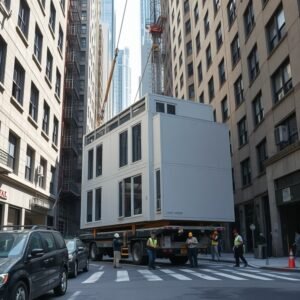
Despite its many benefits, prefabricated construction also faces certain challenges. Transportation of large modules can be difficult, especially in remote or congested areas. Additionally, initial setup costs for manufacturing units may be high. Design flexibility can also be limited when using standardized components, requiring careful planning to achieve customization.
Sub-section: Logistics Issues
Moving large prefabricated sections requires special equipment and planning, which can increase project complexity.
Sub-section: Design Constraints
While efficient, modular systems may limit architectural creativity if not properly customized.
Future Outlook and Industry Growth
The future of construction is moving toward smarter, faster, and more sustainable systems. The demand for retrofit solutions is expected to grow as cities continue to upgrade aging infrastructure. The integration of modular renovation services will further enhance efficiency and reduce project timelines. Additionally, the use of advanced modular renovation construction systems will continue to shape modern construction practices by improving precision and scalability.
As technology evolves, Prefab Renovation will become even more advanced, offering better customization, speed, and environmental benefits. The construction industry is clearly shifting toward modular and prefabricated systems as the standard for future development.