
Bio-degradable Containers: The Sustainable Packaging Solution for a Greener Future
In today’s environmentally conscious world, the demand for biodegradable containers is rapidly increasing. Businesses, restaurants, food delivery services, and consumers are actively searching for sustainable alternatives to traditional plastic packaging. The harmful effects of plastic pollution, overflowing landfills, and marine waste have made eco-friendly packaging not just an option—but a necessity.
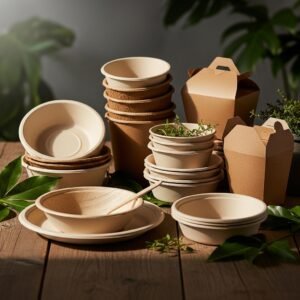
Bio-degradable containers are designed to break down naturally through the action of microorganisms, moisture, and environmental conditions. Unlike conventional plastic containers that can take hundreds of years to decompose, biodegradable packaging decomposes in a much shorter period, reducing environmental impact significantly.
This comprehensive guide explores everything you need to know about Bio-degradable Containers, including their types, materials, benefits, manufacturing process, applications, and why they are essential for a sustainable future.
What Are Bio Degradable Containers?
Bio-degradable containers are packaging products made from natural, renewable, and plant-based materials that decompose naturally over time. These containers break down into organic matter such as water, carbon dioxide, and biomass without leaving toxic residues behind.
They are commonly used in:
-
Food packaging
-
Takeaway containers
-
Catering services
-
Supermarkets
-
Event management companies
The growing environmental regulations worldwide are encouraging industries to shift from plastic to eco-friendly containers.
Why the World Is Moving Towards Bio-degradableThe Containers
Plastic pollution has become a global crisis. Countries around the world are introducing strict bans on single-use plastic products.
For example:
-
United Nations has actively promoted global plastic reduction strategies.
-
Canada has implemented bans on many single-use plastics.
-
India has also enforced restrictions on plastic packaging products.
These initiatives are driving businesses to adopt biodegradable containers as a sustainable alternative.
Types of Bio-degradable Containers
There are several types of biodegradable packaging solutions available in the market:
1. PLA (Polylactic Acid) Containers
PLA containers are made from fermented plant starch, usually corn. These containers look similar to plastic but are compostable under industrial composting conditions.
Features:
-
Transparent appearance
-
Compostable
2. Bagasse Containers
Bagasse is a by-product of sugarcane processing. It is one of the most popular materials used for biodegradable containers.
Benefits:
-
Heat resistant
-
Microwave safe
-
100% compostable
-
Durable and sturdy
3. Areca Palm Leaf Containers
Made from naturally fallen palm leaves, these containers are:
-
Chemical-free
-
Fully biodegradable
4. Paper-Based Containers
Paper food containers with biodegradable lining are commonly used for:
-
Soups
-
Noodles
-
Ice cream
-
Coffee cups
5. Cornstarch Containers
Cornstarch-based Bio-degradable Containers are:
-
Lightweight
-
Affordable
-
Compostable
-
Suitable for takeaway packaging
Key Benefits of Bio-degradable Containers
1. Environmentally Friendly
The biggest advantage of Bio-degradable Containers is that they reduce plastic waste and lower the carbon footprint.
2. Safe for Health
Unlike plastic containers, biodegradable packaging does not release harmful chemicals into food.
3. Renewable Resource Usage
These containers are made from plant-based materials, which are renewable and sustainable.
4. Supports Green Branding
Businesses using eco-friendly food containers improve their brand image and attract environmentally conscious customers.
5. Compliance with Government Regulations
As many countries enforce plastic bans, using Bio-degradable Containers ensures legal compliance.
Applications of Bio-degradable Containers
Food & Beverage Industry
Restaurants, cafes, and catering services are major users of biodegradable food packaging.
Many global food chains are transitioning to sustainable packaging to meet consumer demand.
Event Management
Weddings, corporate events, and festivals now prefer compostable containers to reduce waste impact.
Supermarkets & Retail Stores
Fresh produce, bakery items, and ready-to-eat meals are increasingly packed in biodegradable containers.
Cloud Kitchens & Food Delivery
With the rise of online food delivery services, the demand for sustainable takeaway packaging is growing rapidly.
Manufacturing Process of Bio-degradable Containers
The production process generally includes:
-
Raw material collection (corn starch, bagasse, palm leaves)
-
Pulping and processing
-
Molding and shaping
-
Drying and finishing
-
Quality testing
-
Packaging and distribution
Advanced manufacturing technologies help produce durable and leak-proof biodegradable containers.
Difference Between Biodegradable and Compostable Containers
Many people confuse these terms.
-
Biodegradable means the product breaks down naturally over time.
-
Compostable means it decomposes under specific composting conditions into nutrient-rich compost.
All compostable containers are biodegradable, but not all biodegradable containers are compostable.
Challenges of Bio-degradable Containers
Despite their advantages, some challenges include:
-
Slightly higher cost compared to plastic
-
Limited industrial composting facilities in some regions
-
Moisture sensitivity in certain materials
However, as demand increases, production costs are gradually decreasing.
Future of Bio-degradable Containers
The global market for biodegradable packaging is expanding rapidly. Governments, environmental organizations, and consumers are pushing for sustainable alternatives.
Major corporations are investing heavily in green packaging innovation.
For example:
-
Nestlé has pledged to reduce plastic waste.
-
Unilever is committed to sustainable packaging solutions.
With growing awareness and regulatory support, Bio-degradable Containers are expected to dominate the packaging industry in the coming years.
Why Businesses Should Switch to Bio-Degradable Containers
If you run a restaurant, food delivery service, supermarket, or catering company, switching to biodegradable packaging offers multiple benefits:
-
Enhances brand value
-
Attracts eco-conscious customers
-
Ensures compliance with plastic ban laws
-
Reduces environmental impact
-
Improves corporate social responsibility (CSR)
Consumers today prefer brands that care about sustainability.
How to Choose the Right Bio-degradable Containers
When selecting biodegradable packaging, consider:
-
Food type (hot or cold)
-
Storage duration
-
Leak resistance
-
Cost efficiency
-
Supplier reliability
Choosing high-quality, eco-friendly containers ensures durability and customer satisfaction.
Environmental Impact of Switching to Bio-degradable Containers
By replacing plastic with biodegradable packaging, businesses can:
-
Reduce landfill waste
-
Decrease ocean pollution
-
Lower greenhouse gas emissions
-
Promote circular economy practices.
Small changes in packaging choices can create a significant environmental impact.
Final Thoughts
The transition from plastic to Bio-degradable Containers is not just a trend—it is a responsibility. As environmental concerns continue to grow, sustainable packaging solutions are becoming essential for businesses and consumers alike.
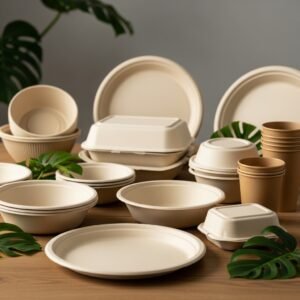
Investing in biodegradable containers helps protect the planet, supports renewable resources, and builds a positive brand reputation. With global initiatives, corporate commitments, and increasing consumer awareness, the future clearly belongs to biodegradable and compostable packaging solutions.
If you are planning to switch to sustainable packaging, now is the perfect time to adopt Bio-degradable Containers and contribute to a greener, cleaner world.