
Labour Camp Requirements in UAE: Complete Guide for Employers
Introduction
Understanding Labour Camp Requirements in the UAE is essential for companies that employ a large workforce, especially in construction, manufacturing, logistics, and industrial sectors. The UAE government has established strict Labour Camp Requirements to ensure safe, hygienic, and comfortable living conditions for workers. These regulations protect employee welfare while ensuring that employers maintain compliance with national labor laws.
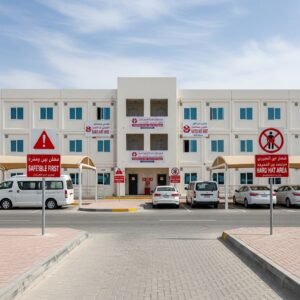
Companies operating in Dubai and other Emirates must follow official Labour Camp Requirements when constructing or renting accommodation for their workers. These standards cover location, room size, sanitation, ventilation, safety systems, medical facilities, and recreational spaces. Failing to comply with Labour Camp Requirements can result in fines, penalties, or even suspension of business operations.
The purpose of regulated Labour Camp Requirements is not only to provide housing but also to promote worker dignity, safety, and productivity. Properly maintained camps improve employee morale, reduce health risks, and strengthen a company’s reputation. In this detailed guide, we will explore all aspects of Labour Camp Requirements, including legal standards, infrastructure guidelines, health regulations, and compliance procedures.
Legal Framework Governing Labour Camps
The UAE Ministry of Human Resources and Emiratisation (MOHRE) and local municipalities regulate Labour Camp Requirements. These authorities ensure that employer-provided accommodation meets approved standards.
Employers must:
-
Obtain necessary approvals before constructing camps
-
Follow municipal zoning laws
-
Ensure compliance with building and safety codes
-
Maintain accommodation standards regularly
Strict adherence to Labour Camp Requirements ensures legal protection for both employers and employees.
Location and Zoning Standards
One of the primary Labour Camp Requirements relates to location. Labour camps must be constructed in approved industrial or designated accommodation zones. They cannot be built in residential family areas.
Key location guidelines include:
-
Safe distance from hazardous industrial facilities
-
Easy access to transportation
-
Availability of utilities such as water and electricity
Proper site selection is a fundamental part of meeting Labour Camp Requirements.
Room Size and Occupancy Regulations
Room standards are among the most important Labour Camp Requirements. Authorities specify:
-
Minimum space allocation per worker (usually around 3.5–4 square meters per person)
-
Maximum number of occupants per room
-
Proper ventilation and air conditioning
-
Sufficient lighting
Overcrowding violates Labour Camp Requirements and may lead to heavy penalties.
Sanitation and Hygiene Standards
Maintaining hygiene is a critical element of Labour Camp Requirements. Camps must include:
-
Adequate number of toilets and showers
-
Continuous supply of clean water
-
Proper sewage disposal systems
Authorities frequently inspect facilities to ensure compliance with hygiene-related Labour Camp Requirements.
Health and Safety Measures
Health and safety compliance is mandatory under Labour Camp Requirements. Camps must provide:
-
Fire alarm and firefighting systems
-
Emergency exits and evacuation plans
-
First-aid kits
-
On-call medical assistance
Employers must also conduct regular safety drills. Meeting these Labour Camp Requirements helps prevent accidents and ensures quick emergency response.
Kitchen and Dining Facilities
Proper food preparation areas are part of official Labour Camp Requirements. Camps must have:
-
Clean cooking areas
-
Refrigeration facilities
-
Proper food storage
-
Separate dining spaces
Food safety inspections ensure compliance with Labour Camp Requirements to prevent health issues among workers.
Ventilation and Air Conditioning
Given the UAE’s climate, ventilation is a crucial part of Labour Camp Requirements. Rooms must include:
-
Functional air conditioning systems
-
Windows for natural ventilation
-
Proper insulation
Adequate cooling ensures worker comfort and aligns with regulated Labour Camp Requirements.
Recreational and Welfare Facilities
Modern Labour Camp Requirements encourage worker well-being by including:
-
Recreational areas
-
Prayer rooms
-
Television lounges
-
Internet access
Providing these facilities improves morale and productivity while meeting approved Labour Camp Requirements.
Waste Management and Environmental Compliance
Environmental standards are integrated into Labour Camp Requirements. Employers must:
-
Arrange regular garbage collection
-
Maintain pest control services
-
Ensure clean surroundings
-
Follow sustainability guidelines
Proper waste management reduces health risks and ensures compliance.
Documentation and Inspection
Employers must maintain proper records to demonstrate compliance with Labour Camp Requirements, including:
-
Building approvals
-
Maintenance logs
-
Occupancy records
-
Safety inspection reports
Municipal authorities conduct periodic inspections. Non-compliance with Labour Camp Requirements can lead to fines or closure notices.
Penalties for Non-Compliance
Violating Labour Camp Requirements can result in:
-
Financial penalties
-
License suspension
-
Legal action
-
Blacklisting from government projects
Maintaining compliance protects companies from legal and reputational risks.
Benefits of Following Labour Camp Standards
Complying with Labour Camp Requirements offers multiple benefits:
-
Improved employee satisfaction
-
Reduced health-related absenteeism
-
Enhanced company reputation
-
Better productivity
-
Legal protection
Employers who invest in proper accommodation create a safer and more motivated workforce.
Cost Considerations for Employers
While meeting Labour Camp Requirements requires investment, it is a long-term asset. Costs typically include:
-
Utility bills
-
Maintenance services

-
Security staff
-
Cleaning services
Proper budgeting ensures compliance without financial strain.
Future Trends in Labour Accommodation
The UAE continues upgrading Labour Camp Requirements to match international labor welfare standards. Future trends include:
-
Smart camp management systems
-
Eco-friendly construction
-
Improved healthcare access
Companies must stay updated to meet evolving Labour Camp Requirements.
Final Thoughts
Understanding and implementing Labour Camp Requirements is not just a legal obligation but a moral responsibility for employers in the UAE. These regulations ensure that workers live in safe, hygienic, and comfortable environments while contributing to the country’s economic development. Companies that strictly follow Labour Camp Requirements protect themselves from penalties and build a strong reputation in the market.
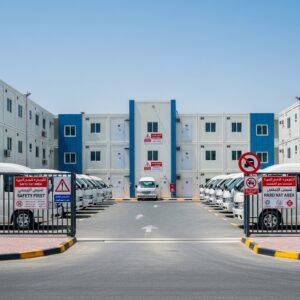
Investing in quality accommodation improves workforce morale, productivity, and long-term sustainability. As the UAE continues strengthening labor laws, compliance with Labour Camp Requirements will remain essential for businesses across construction, industrial, and service sectors.
By prioritizing worker welfare and adhering to approved Labour Camp Requirements, employers can create a positive working ecosystem that supports both business growth and employee well-being.